Ateneo Summer Programming Camp for Teachers (ASPC-T 2015)

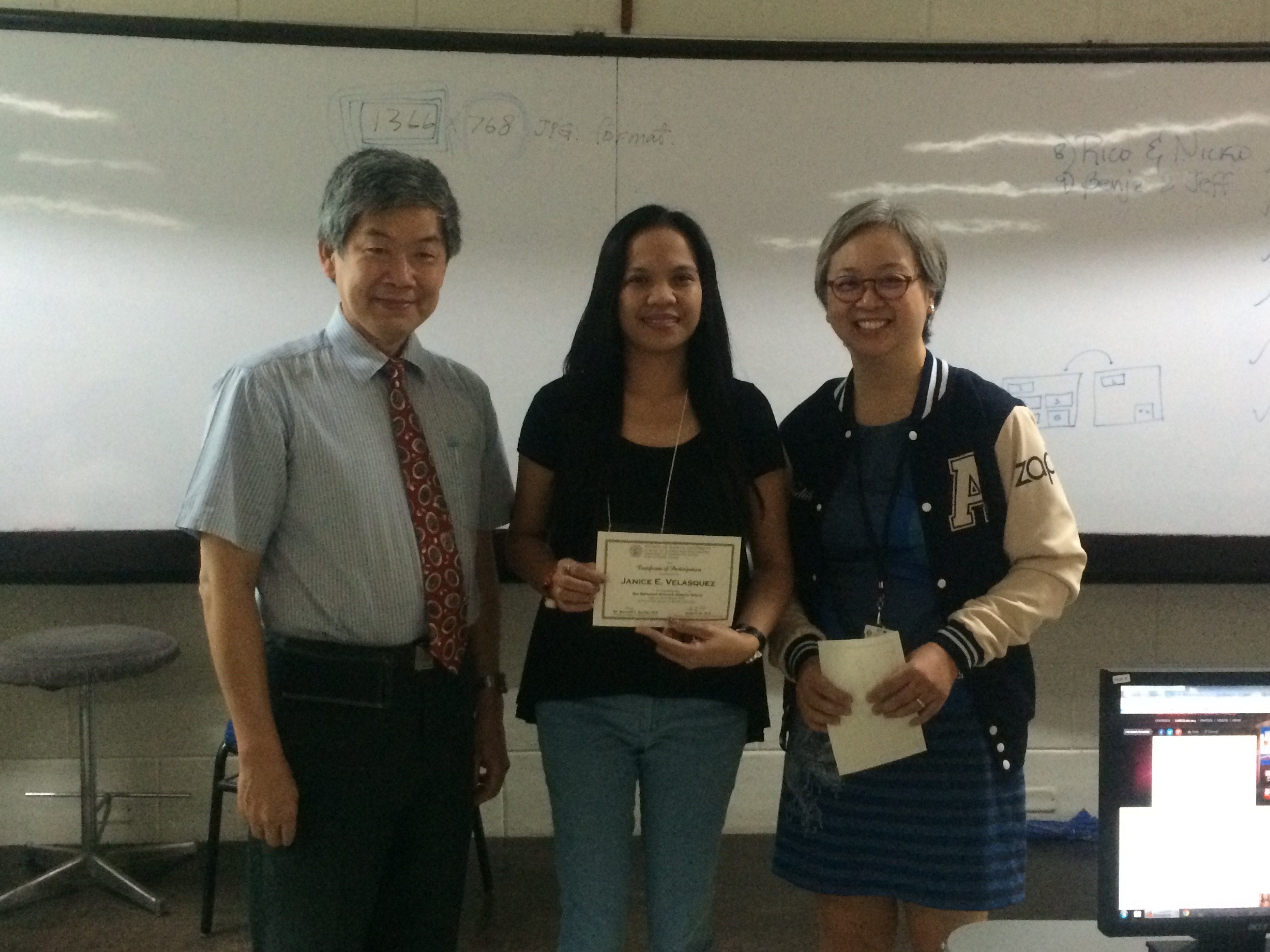
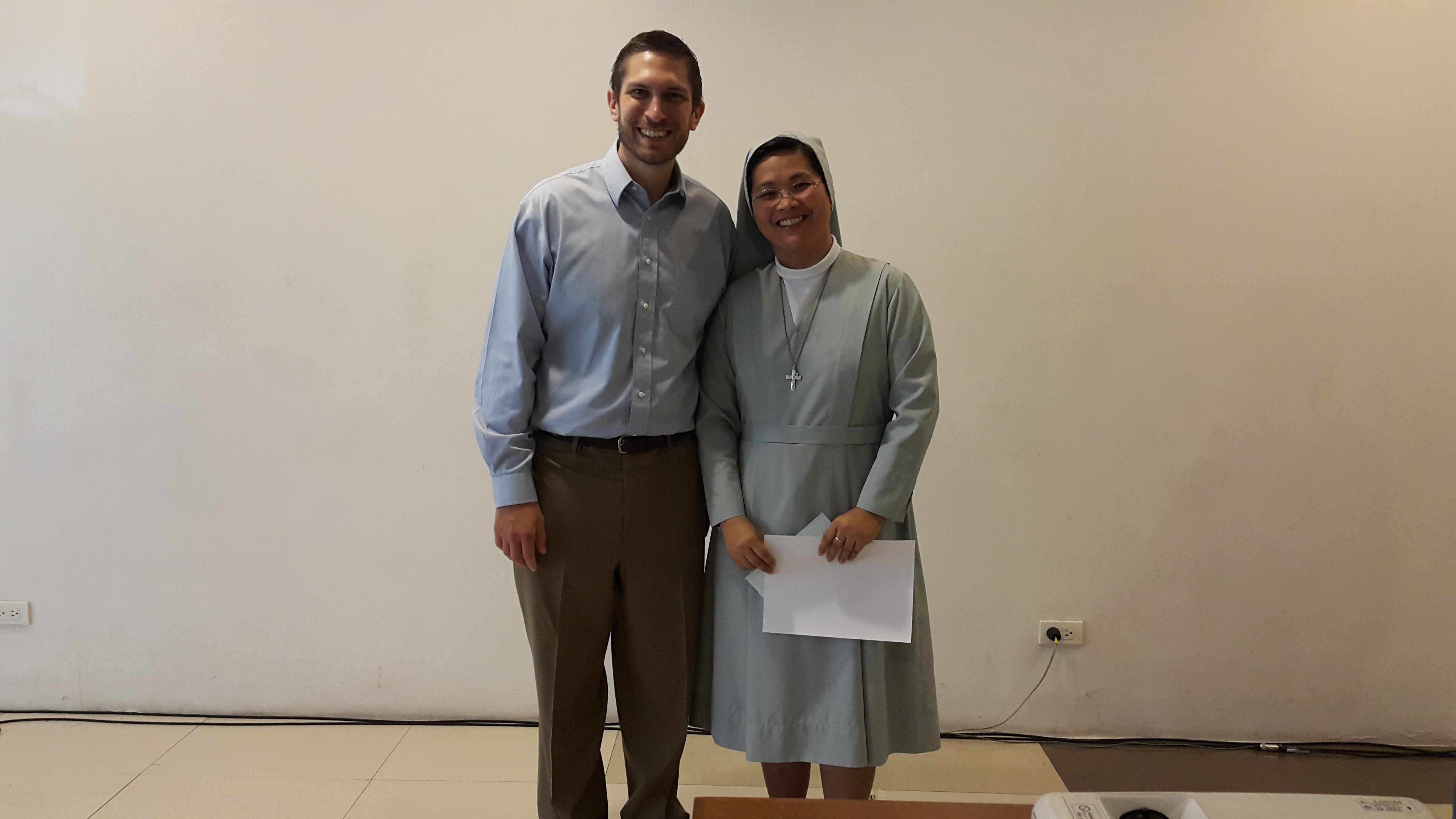
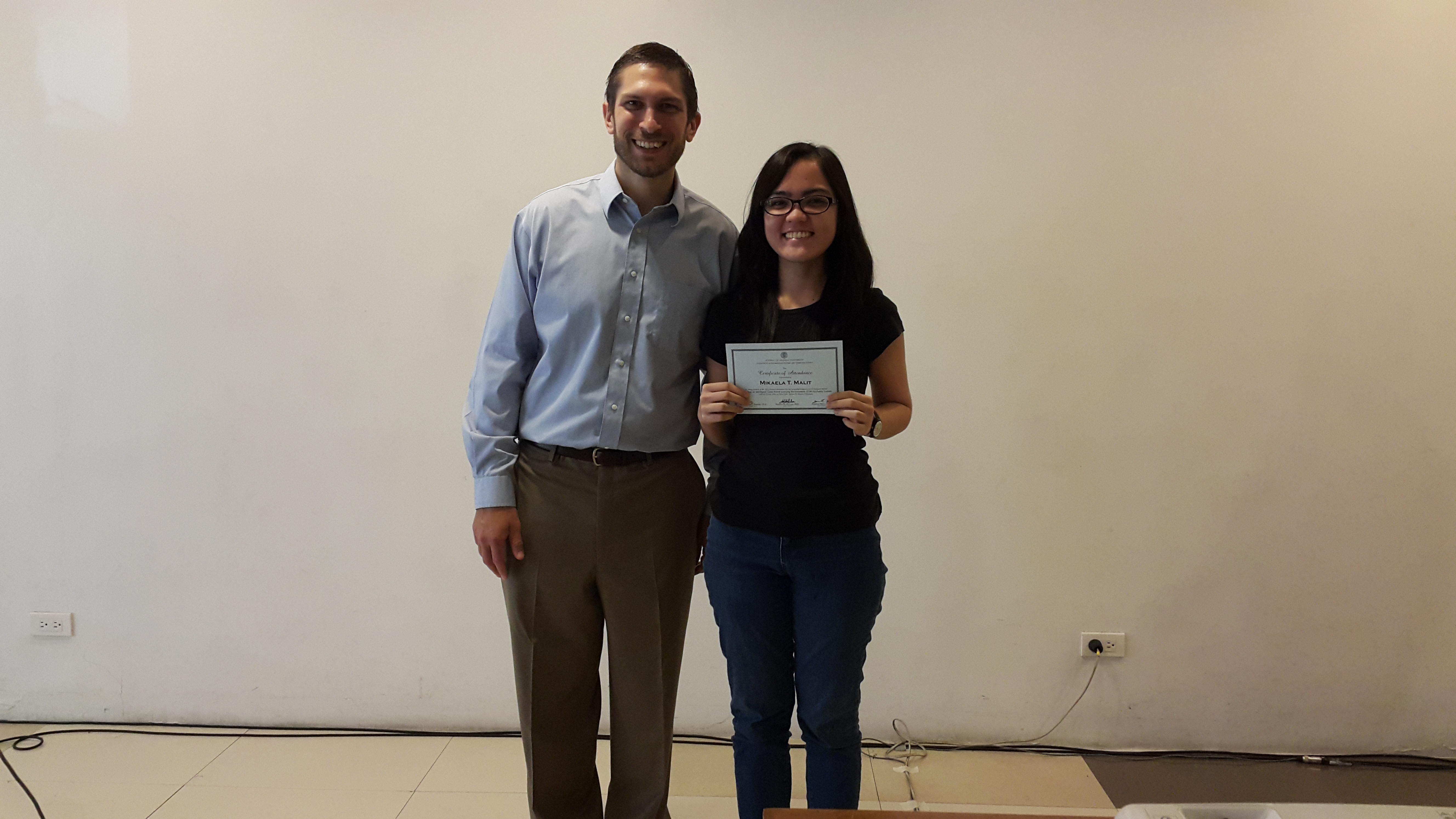
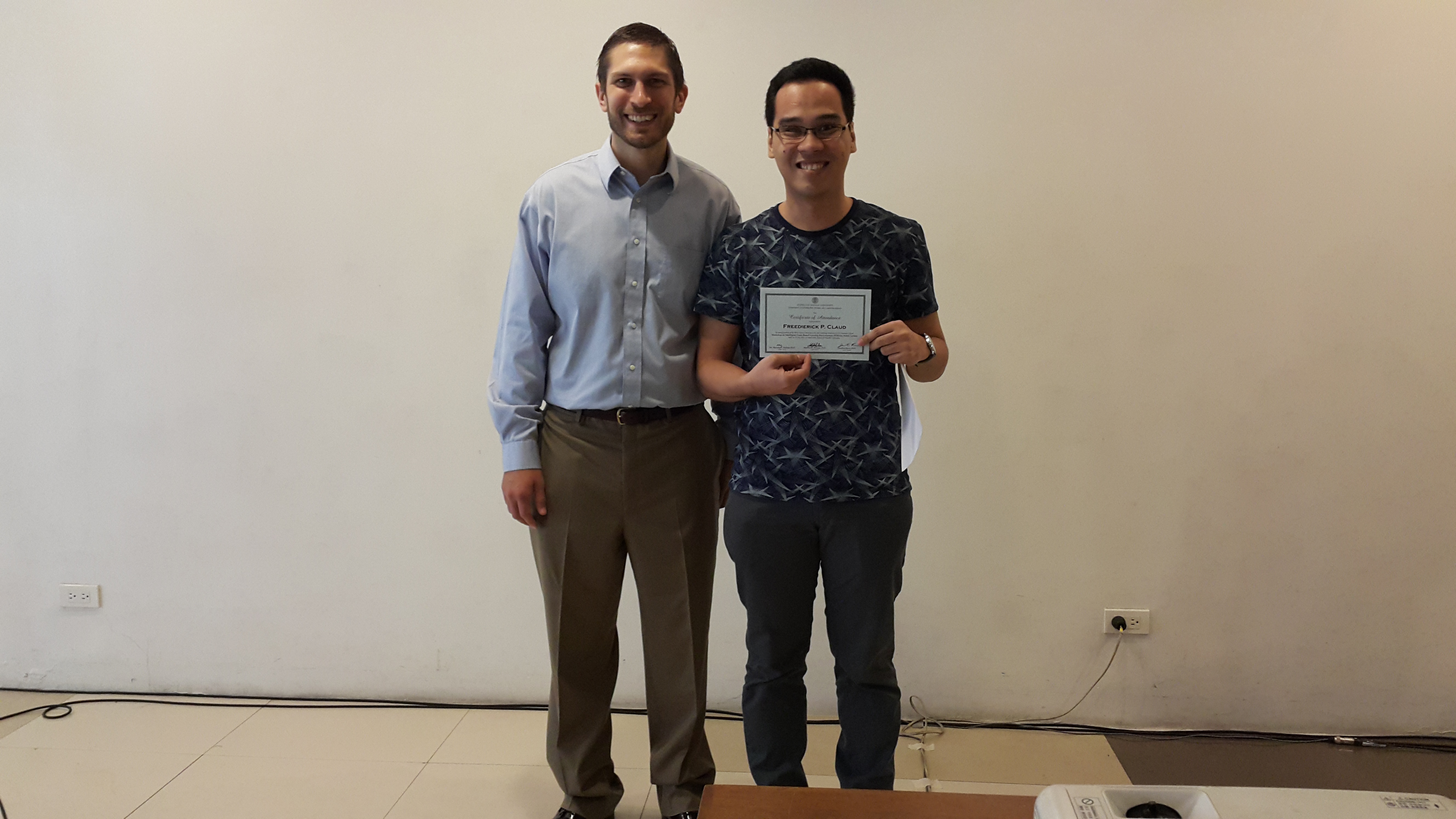
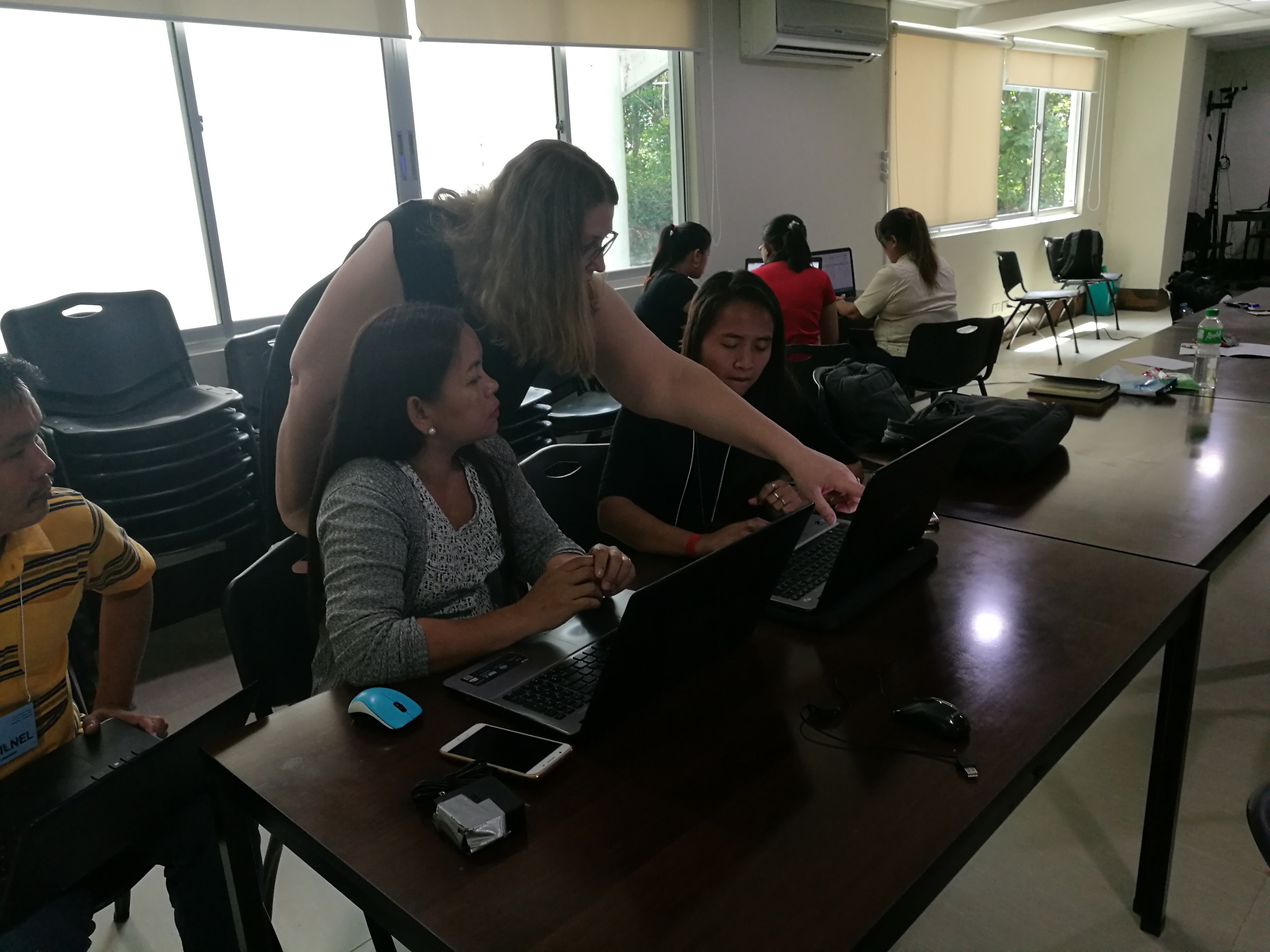
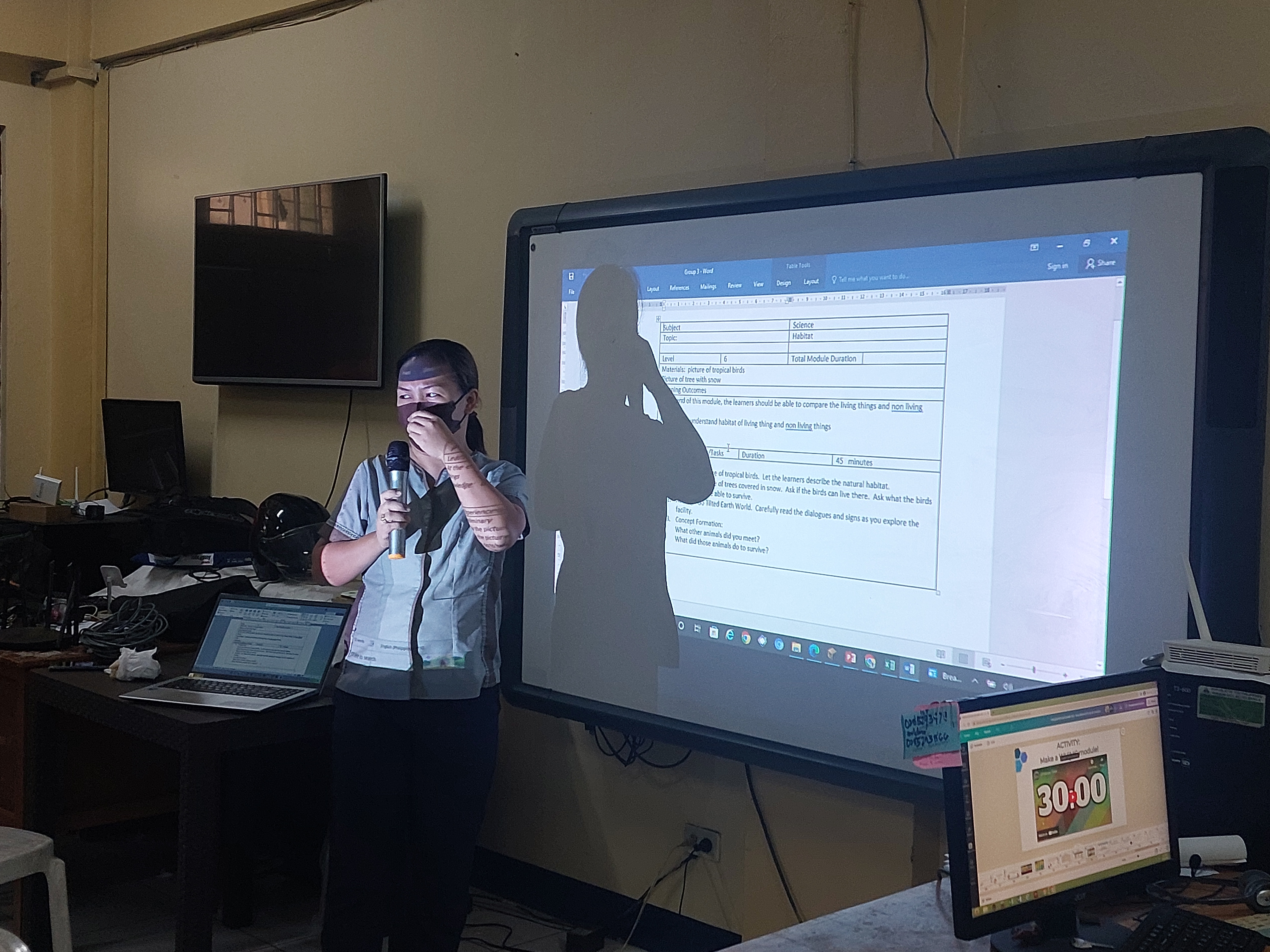
The Ateneo Summer Programming Camp for Teachers (ASPC-T), made possible by a grant from Google, Inc., was a two-week, whole-day training seminar for high school teachers organized by the Department of Information Systems and Computer Science of the Ateneo de Manila University. It aims to teach high school teachers about competitive programming using the C++ programming language and to equip them with the knowledge and skills to teach their own students. The culminating activity of the camp was a programming contest. A total of 32 high school teachers were awarded their certificates of participation.

Competitive programming refers to problem solving with a computer language such as Java or C++. By the end of the course, participants were able to:

  • Rea­d and analyze a word problem
  • Construct a space- or time-efficient solution to the problem
  • Implement the solution using a computer language
  • Debug the solution
  • Install and test a competitive programming environment

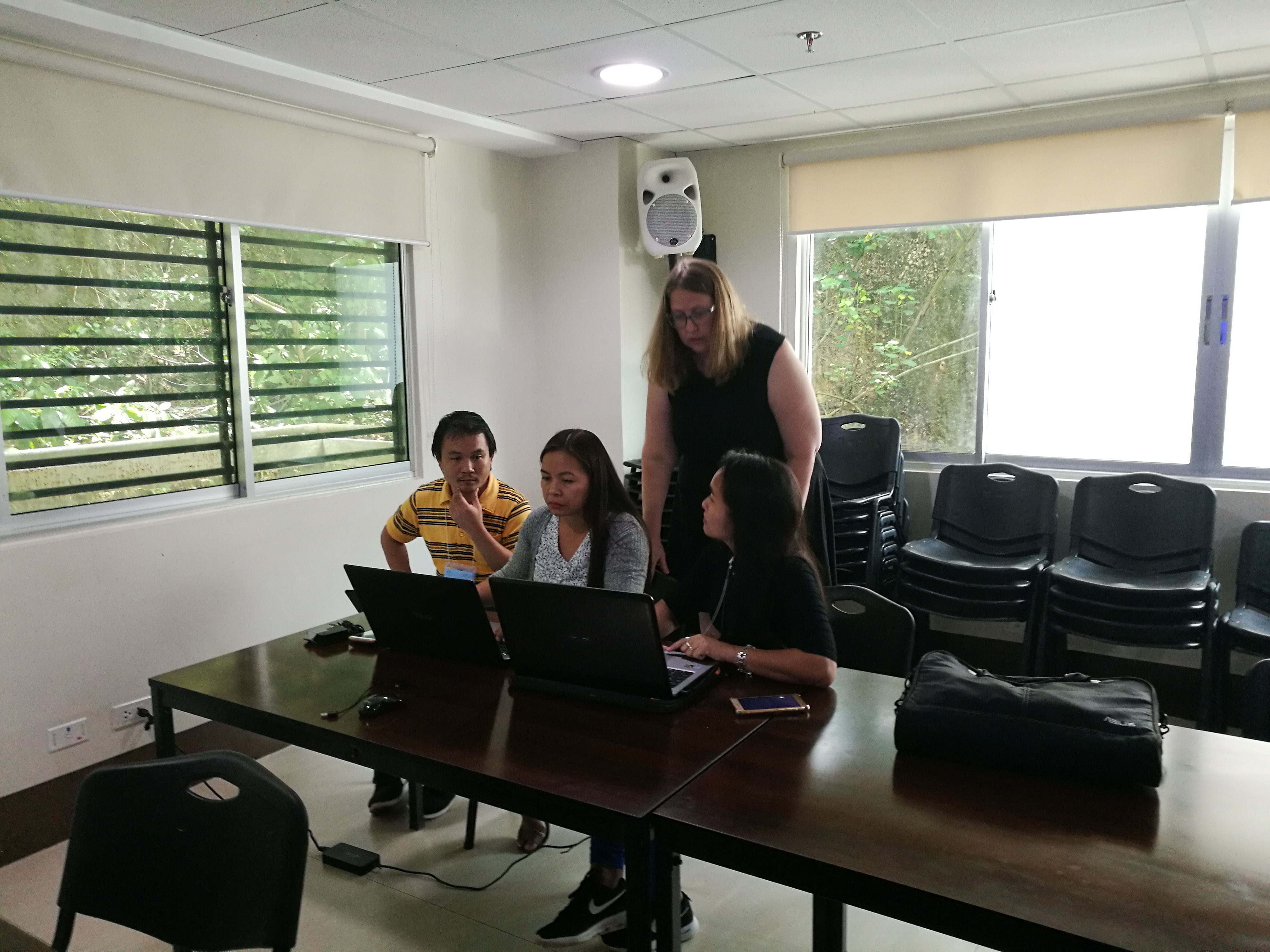
Each lesson was comprised of a lecture, conducted by invited professors and alumni of Ateneo de Manila University or Ateneo de Naga University. Lectures were followed by individual hands-on sessions and a discussion of solutions. Some days had extended hands-on sessions in the afternoons, while some days had another lecture session instead.

The following topics were covered during the camp:

  • Introduction to C++ and Control Structures
  • Arrays and Strings
  • Functions and Classes
  • Recursion and Built-in Libraries
  • Brute Force, Backtracking, and Dynamic Programming
  • Combinatorics
  • Introduction to Graphs and Shortest Paths

Prizes for the contest winners were provided by the Ateneo Laboratory for the Learning Sciences and the Computer Society of the Ateneo.

Posted in Uncategorized | Leave a comment

Call for Papers: CATS 2015

22 or 26 June 2015
Spanish National University for Distance Education (UNED), Madrid, Spain

The 6th International Workshop on Culturally-Aware Tutoring Systems (CATS 2015) is the next edition in the series of successful CATS workshops, organized in conjunction with ITS2008, AIED2009, ITS2010, AIED2013, and ITS2014. The CATS workshop series has become a premier venue for presentations and discussions of research bridging culture and educational technologies.

In the past few years, dedicated culturally-aware technologies, guidelines, and methods have been proposed. Promising results are now emerging along with new exciting challenges for the AIED community. CATS2015 proposes to discuss culture and AIED from five perspectives:

i. the design of acquisition-oriented systems, i.e. AIED systems to teach cultural knowledge and intercultural skills;
ii. enculturating AIED systems (i.e. developing both pedagogical strategies and system infrastructure mechanisms that incorporate cultural features);
iii. considering cultural biases in the AIED research cycle, and ways to address them;
iv. the design of adaptation-oriented systems, i.e. AIED systems that can be personalized overtly or automatically based on user backgrounds and contexts; and
v. the impact of AIED systems on student affect, behavior, or learning, that might be attributable to cultural factors.

In addition to describing the current state of the art in these domains, the workshop intends to engage participants in working to expand the reach of AIED research to a greater global audience, including those disadvantaged due to a lack of resources or other obstacles.

Download the full call for papers.


Posted in Uncategorized | Leave a comment

ALLS Summer Workshop on Eye-tracking Research

ALLS Summer Workshop on Eye-tracking Research
23-27 March 2015, 9:00 AM to 4:30 PM
Venue: Faura Hall, Ateneo de Manila University

Hosted by

Ateneo Laboratory for the Learning Sciences
Department of Information Systems and Computer Science
Ateneo de Manila University, Loyola Heights, Quezon City

In cooperation with

Department of Electrical Engineering
National Taiwan Normal University
Taipei, Taiwan

Resource Speaker
Hong-Fa Ho, Ph.D.
National Taiwan Normal University

Eye tracking refers to the measurement of a person’s point of gaze or the movement of eyes relative to head movement. An eye tracker is a device for measuring eye positions and eye movement. Eye trackers are used in research on the visual system, in psychology, in cognitive linguistics, marketing, as an input device for human computer interaction, and in product design. There are a number of methods for measuring eye movement.

Dr. Hong-Fa Ho is a professor at the National Taiwan Normal University. He developed and implemented real eye tracking software and hardware. His prototype’s development accelerated the launch of a cost-efficient real eye tracker that can be used for more than 10 people at a time. His goal during the Summer Workshop is to introduce participants to eye movement and tracking and to get them interested in conducting research in the field.

The Summer School will begin with an introduction to eye tracking and the key publications on eye tracking research. The Summer School continues with an intensive five-day workshop that will familiarize participants with data collection and analysis techniques used in conducting eye tracking research. Ample time will be provided for hands-on work. Each participant will be expected to produce an analysis of eye tracking data. The workshop ends with poster presentations in which resource people will critique student work and recommend ways in which the work may be extended.

The Summer Workshop is open to current or prospective graduate students who wish to learn more about eye tracking and eye movement research and its associated methods. The tentative schedule of activities is as follows:

Date Activities
23 March 2015 – Introduction of participants, Introduction to eye tracking, Sharing key publications on eye tracking research
24 March 2015 – Eye tracking research training: data capture, Eye tracking research training: analysis methods
25 March 2015 – Brainstorming of possible collaborative projects
26 March 2015 – Hands-on exercises, Exercises on analysis of eye tracking data
27 March 2015 – Poster preparations

To apply, prospective participants must accomplish the Summer Workshop Application Form on or before 28 February 2015. The Application Form will ask for the following information, and can be accessed at http://goo.gl/EmwIu7.

1. Full name
2. Email address
3. Institution
4. Position
5. Highest degree earned or ongoing studies
6. If you are not currently enrolled in a graduate degree program, are you planning to enroll in graduate school? What is your time line? What specialization do you intend to pursue?
7. Why are you interested in attending the Eye Movement Research Summer School? How is it relevant to your current or future work? How do you see yourself applying what you learned? (The response to this question must be 500 to 600 words long.)

Successful applicants will be allowed to attend the Summer Workshop free of charge. They will, however, be responsible for their own transportation, meals, and lodging. Current graduate students also have the option of taking the workshop now and then officially registering it and taking it for credit as CS 214 User Modeling come enrollment in June. Students taking the course for credit should expect to submit additional deliverables during the June/July summer term.

For questions and clarifications, please email Ma. Mercedes T. Rodrigo at mrodrigo@ateneo.edu.

Slots are limited, so please apply soon!

 

Posted in Uncategorized | Leave a comment

Dr. Rodrigo Voted Into APSCE Executive Committee

Dr. Ma. Mercedes T. Rodrigo was recently voted into the Executive Committee of the Asia-Pacific Society for Computers in Education (APSCE). The APSCE is an independent academic society whose broad objective is to promote the conduct and communication of scientific research related to all aspects of the use of computers in education, especially within the Asia-Pacific. They are the organizing body behind the annual International Conference on Computers in Education (ICCE), which was recently held in Nara, Japan.

Congratulations on the appointment, Ma’am Didith! We are all very proud of you!

To see the members of APSCE’s Executive Committee:http://www.apsce.net/committees.php?id=396e6e20-9493-495c-ac76-a4ede9f0c841

To know more about APSCE: http://www.apsce.net/about.php?id=0e3cabb1-49b0-4834-ba11-f1680d804a53


Posted in News & Events | Leave a comment

ALLS Attends ICCE 2014

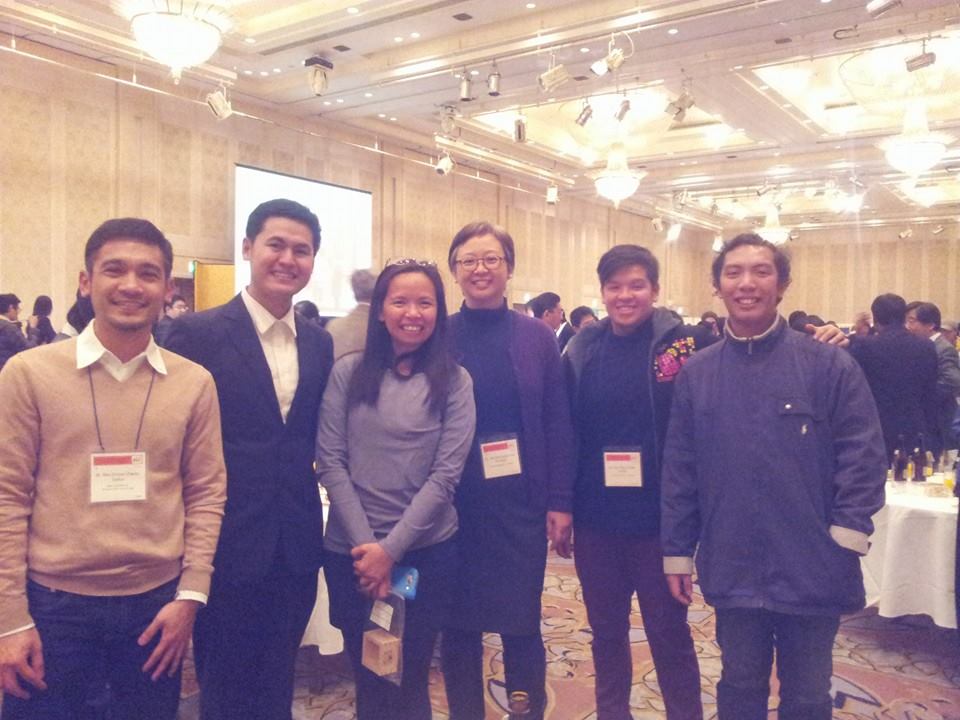
The 22nd International Conference on Computers in Education was held last November 29 to December 4 at the New Public Hall in Nara, Japan. In attendance and representing both the Ateneo and the Philippines were six members of the Ateneo Laboratory for the Learning Sciences: Dr. Ma. Mercedes Rodrigo, Miguel Andres, Jayzon Ty, Michelle Banawan and Yancy Paredes, doctorate students from the Ateneo de Davao and advisees of Dr. Rodrigo, and Marc Santos, BS ECCE 2010, currently pursuing his PhD in Computer Science at the Nara Institute of Science and Technology.

L to R: Marc, Yancy, Michelle, Dr. Rodrigo, Miguel, and Jayzon.

The following conference papers, posters, and workshop papers were accepted into the conference and presented that week:

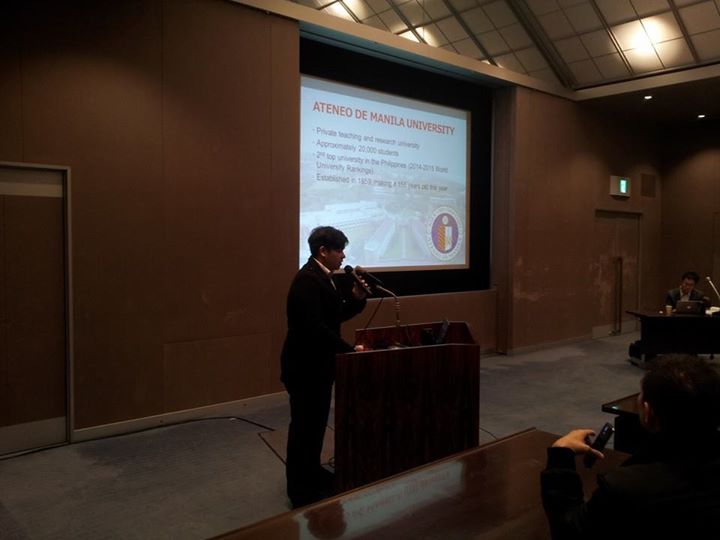
  1. Evaluating Augmented Reality for Situated Vocabulary Learning, a full paper by Marc and Dr. Rodrigo, with co-authors Arno In Wolde Lubke, Takafumi Taketomi, Goshiro Yamamoto, Christian Sandor, and Hirokazu Kato,
  2. Learning and Affect Trajectories Within Newton’s Playground, a workshop paper by Miguel and Dr. Rodrigo, accepted into the 3rd International Workshop on ICT Trends in Emerging Economies,
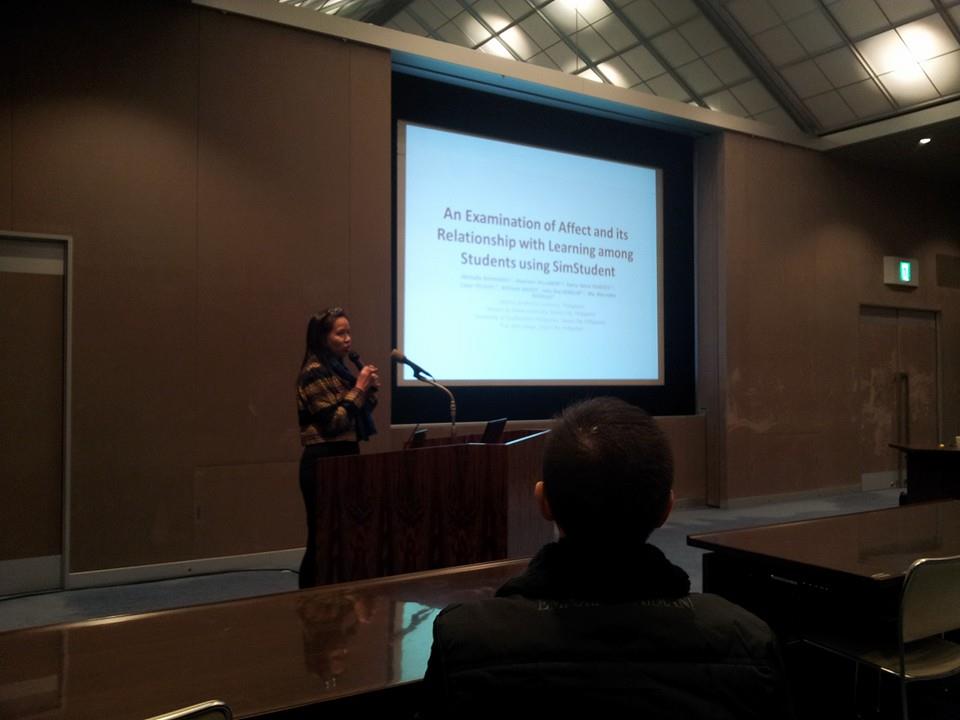
  3. An Examination of Affect and its Relationship with Learning among Students using SimStudent, a short paper by Michelle, Yancy, and Dr. Rodrigo, with co-authors Maureen Villamor, Cesar Tecson, Wilfredo Badoy, and John Roy Geralde,
  4. An Exploratory Analysis of Confusion Among Students Using Newton’s Playground, a short paper by Miguel and Dr. Rodrigo, with co-authors Jessica Sugay, Ryan Baker, Luc Paquette, Valerie Shute, Matthew Ventura, and Matthew Small, and
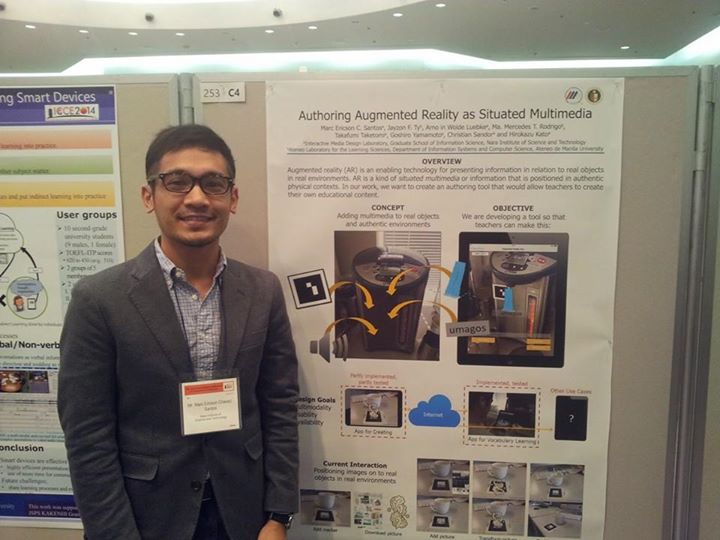
  5. Authoring Augmented Reality as Situated Multimedia, a poster by Marc, Jayzon, and Dr. Rodrigo, with co-authors Takafumi Taketomi, Goshiro Yamamoto, Christian Sandor, and Hirokazu Kato.
Marc presenting his poster.
Miguel presenting his short paper.
Michelle presenting her short paper.
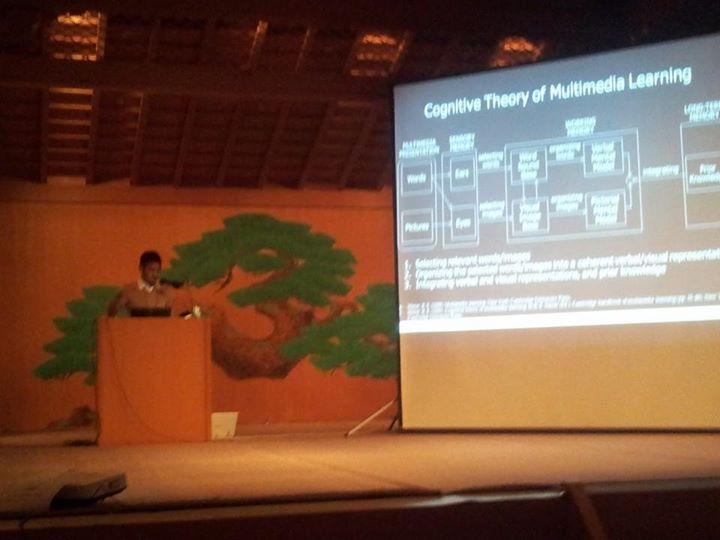
Marc presenting his full paper.

The conference proceedings are Scopus-listed, and the acceptance rate for full papers was at a staggering 25% this year. As such, it was very fortunate that the Ateneo’s presence at ICCE was the most substantial ever. For copies of the accepted papers: please visit our Publications page.


Posted in News & Events | Leave a comment