ALLS Participates in PCSC 2024

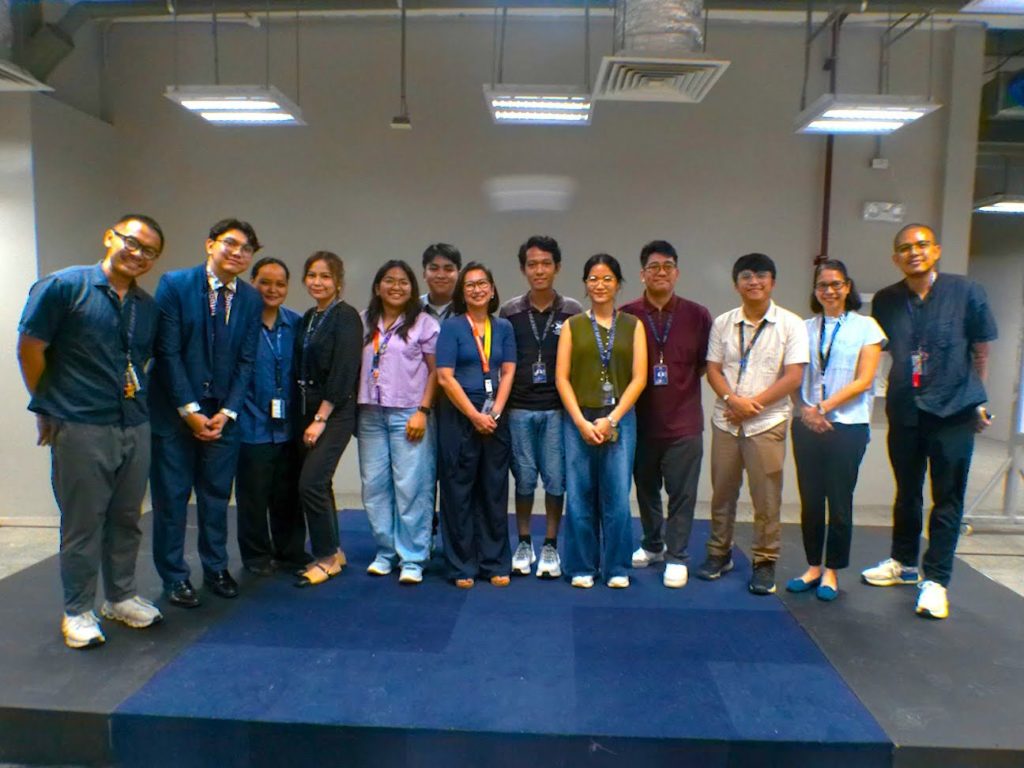
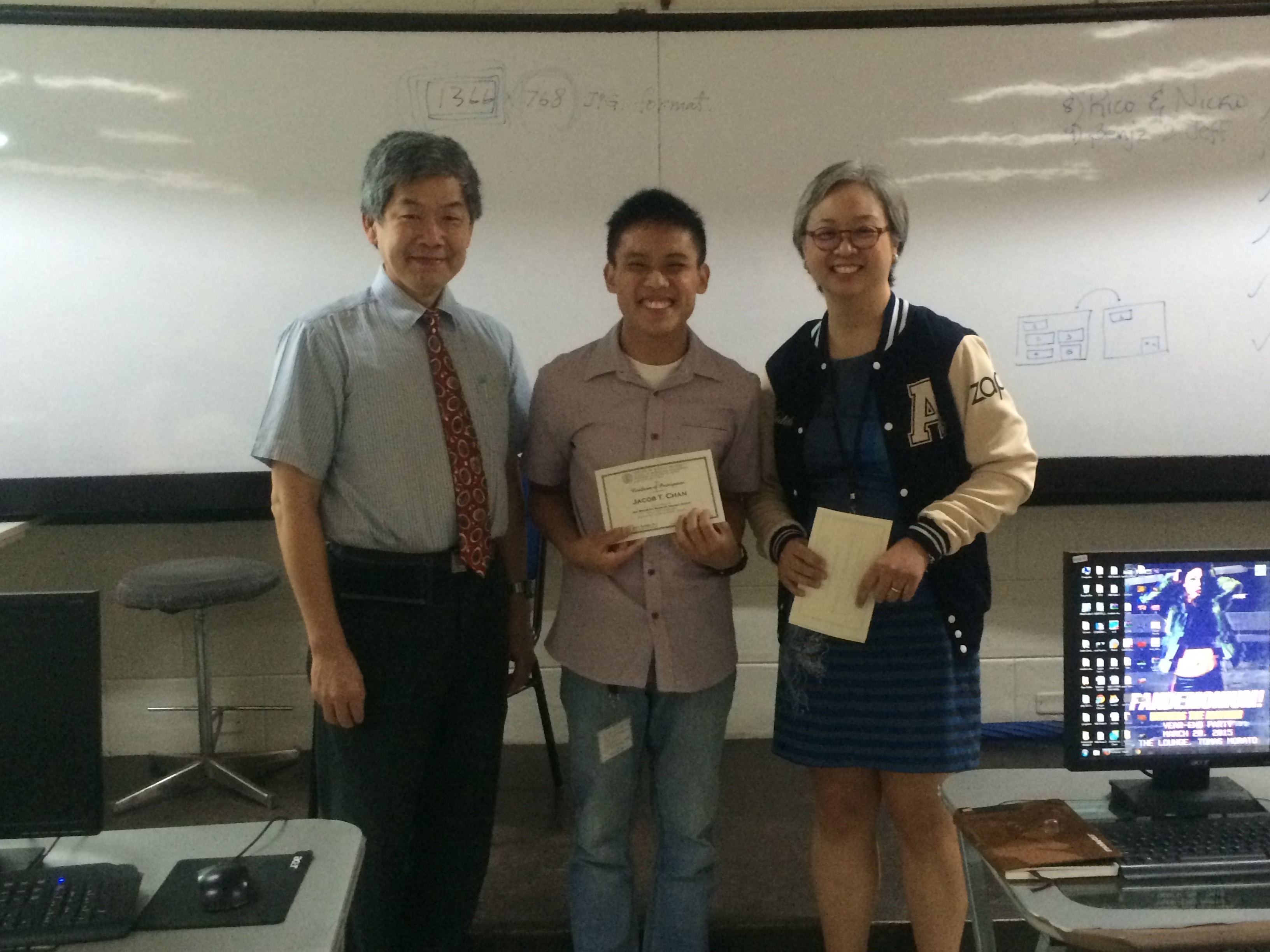
This year the 24th Philippine Computing Society Congress was held in De La Salle University Laguna. The Ateneo Laboratory for the Learning Sciences (ALLS) attended the conference and was represented by Carlo Ram M. Ferrer, John Ryan H. Tamano, Rene Antonio Castillo, Mylene B. Villegas, Jan Jozef R. Laguer, and Dr. Maria Mercedes T. Rodrigo. Also representing Ateneo was the group of Erick Gabriel T. Lopez and Jose Alfonso H. Barreiro.

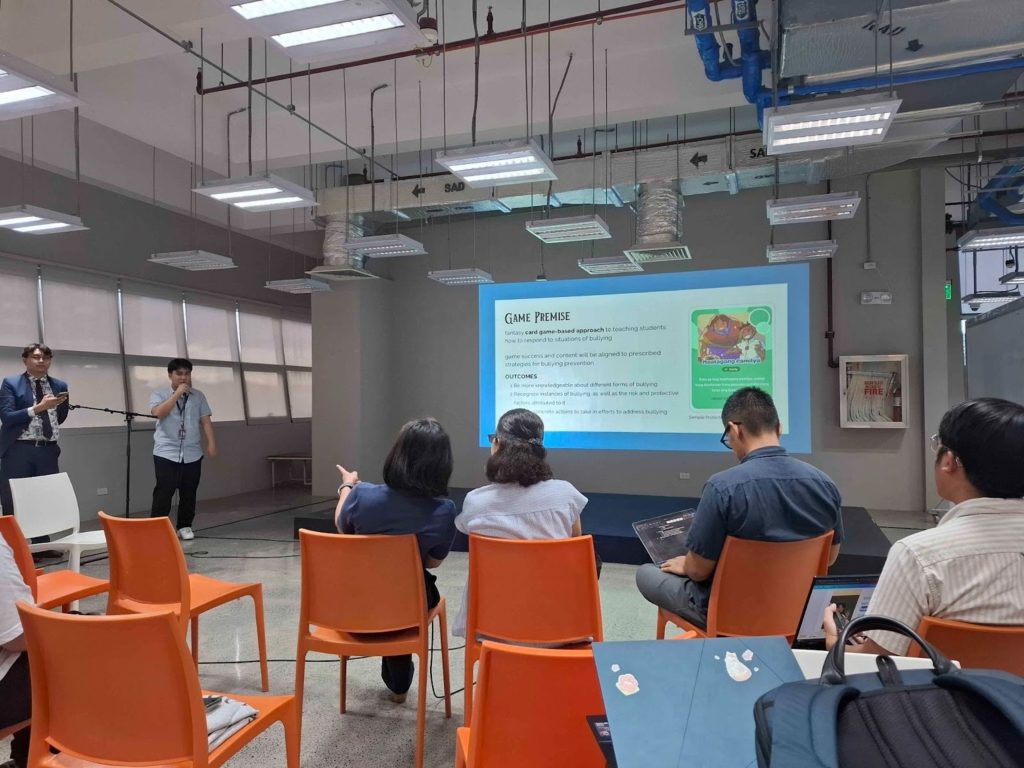
The Philippine Computing Society Congress provided many avenues for various parties to come together to discuss relevant issues and studies in the computer science field. The first day of the conference featured various talks and workshops for attendees to join. Rene Antonio Castillo presented his thesis project ‘A City-Building Puzzle Game Featuring Solarpunk Architecture’ during the interactive demos session, and Dr. Maria Mercedes T. Rodrigo gave a talk during the ‘Oldies but Goodies’ about Affordances in human-computer-interaction.

In photo: Representative from Ateneo in AUSEIC featuring Solaristic

The second day featured plenary talks about the studies currently being conducted by professors from the University of the Philippines Diliman, and De La Salle University. The attendees were also given the chance to attend the paper presentations of various students from across the country. The ALLS representatives were among the many paper presenters who were given the opportunity to present their theses. Pablo R. Manalastas presented his work making use of a popular root finding algorithm, ‘Factoring a Quadratic from a Degree N Polynomial Using Newton’s Method’. Jan Jozef R. Laguer presented a creative take on improving upon current Esports technology using computer vision, ‘Incorporating a Computer Vision System to a Web Server to Parse Real-time Data for Valorant Esports’. Mylene B. Villegas presented her thesis project which is centered around Minecraft data as a medium for making ML predictions, ‘Utilizing Machine Learning Methods to Predict Student Re-engagement via Minecraft Data‘. Carlo Ram M. Ferrer presented his work making use of eye tracking data, ‘Modeling Perceptual Organization In Abstract Art Using Eye Tracking Data’. John Ryan H. Tamano, on behalf of his team, presented their thesis project which utilizes serious games as a medium for learning, ‘Halogen: A 2D Simulation Game on Dental Health Challenges in the Philippines’.

In photo: Representative from Ateneo in AUSEIC featuring Halogen

The Philippine Computing Society Congress provided many opportunities for the students to engage with peers from across the country to engage in active discussion on various topics in their respective fields. As representatives of ALLs and Ateneo, the students proudly participated in the congress to share their works with their peers. The students would like to extend their gratitude to Dr. Maria Mercedes T. Rodrigo for her mentorship of the students, as well as SOSE and ALLS for the financial support.

Posted in News & Events | Leave a comment

Ateneo Participates in AUSEIC

Two teams of undergraduate students from the Ateneo Laboratory for the Learning Sciences (ALLS), represented by Dagny Eran M. Yenko and Pamela Anne C. Serrano from 5 BS CS-DGDD, participated in the Asian Universities Student Entrepreneurship Ideation Challenge (AUSEIC) from March 9 to 10, 2024 at the Education University of Hong Kong (EdUHK).

On the first day, the students attended an “Innovation and Entrepreneurship” Talk Series and further talks at the Hong Kong Science and Technology Park (HKSTP) that spotlight the burgeoning role of Artificial Intelligence in education, featuring speakers who shared their insights and journeys with their companies and innovative products.

In photo: Representative from Ateneo in AUSEIC featuring Aqualensia
In photo: Representative from Ateneo in AUSEIC featuring Sakto Lang

The final pitches and award ceremony was conducted on the second day, where students from various universities in South East Asia showcased their innovative ideas that align with the United Nations’ Sustainable Development Goal #4, which aims to “ensure inclusive and equitable quality education and promote lifelong learning opportunities for all”. Representatives from ALLS presented their theses related to marine biodiversity education and raising awareness on the need for deep-rooted solutions to food insecurity.

The event shed light on the remarkable breadth of initiatives worldwide dedicated to improving education. The emphasis on entrepreneurship made it apparent that the realms beyond computer science, like marketing and operations, are crucial to sustain the game and reach a wider audience. Yet, it also underscored the challenge of reconciling a commitment to making quality education accessible with the practical realities of sustaining such endeavors, be it in time, effort, maintenance, or other associated costs, thus highlighting the ongoing quest for innovative solutions to maximize educational impact.

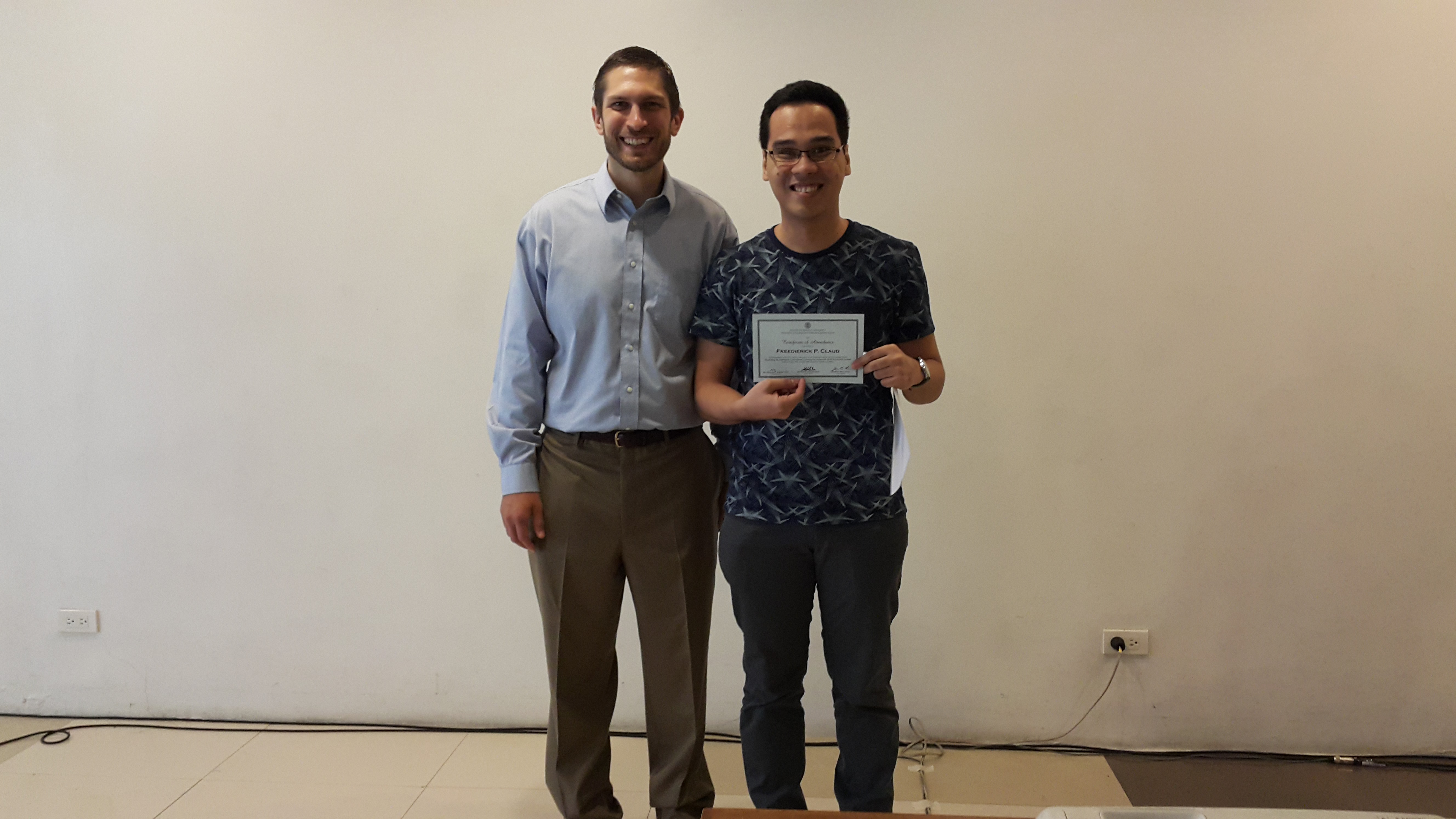
In photo: Representatives from Ateneo in AUSEIC with certificates

For making their participation possible, Dagny and Pam would like to extend their sincerest gratitude to Dr. Maria Mercedes Rodrigo, head of the Ateneo Laboratory for Learning Sciences (ALLS), for her valuable guidance, and Mr. Joseph Benjamin Ilagan, Information Technology Entrepreneurship Program Director, for his technical mentorship. They are also deeply thankful for the SOSE Dean, ALLS, and The Education University of Hong Kong for their financial support.

Posted in News & Events | Leave a comment

Visit of Dr. Valdemar Švábenský

by: Michael Lopez II

The Ateneo Laboratory for the Learning Sciences (ALLS) has hosted Dr. Valdemar Švábenský, a visiting scholar who obtained his doctorate degree from Masaryk University of the Czech Republic. Dr. Švábenský paid a visit to the Ateneo to collaborate with Dr. Maria Mercedes T Rodrigo on modeling the University’s analytics from its learning management system (LMS). His prior collaborations as part of his postgraduate endeavors were from Sorbonne University and the University of Pennsylvania.

On November 17, 2023, Dr. Švábenský held a discussion with students in Faura Hall to raise the interdisciplinary field of learning analytics research. He first emphasized the importance of educational data mining so that it may leverage practitioners such as instructors and academic authorities to support their respective students. In other words, determining the best practices for learning and teaching purposes are important for assessing student behavior. One of the factors to quantify a student’s performance could be about their GPA (or QPI) and the time it took for them to finish a certain course.

He then voiced out his concern on how algorithmic bias may skew these data on machine learning models predicting student success. The problem in the current literature is that there are countless studies about learners in the United States and other Western countries. Yet the foundation is weak for underrepresented sectors and minorities. Thus, the motivation to diversify demographic groups about predicting student success would be beneficial.

Dr. Rodrigo thanked the scholar for his time allotted here in the country and for imparting his expertise with the students. Besides learning analytics, Dr. Švábenský’s current plans involve cybersecurity pedagogy with the goal of optimizing how students should be trained to combat against cyber-crime attacks.

Posted in News & Events | Leave a comment

ALLS Participates in ICCE 2023

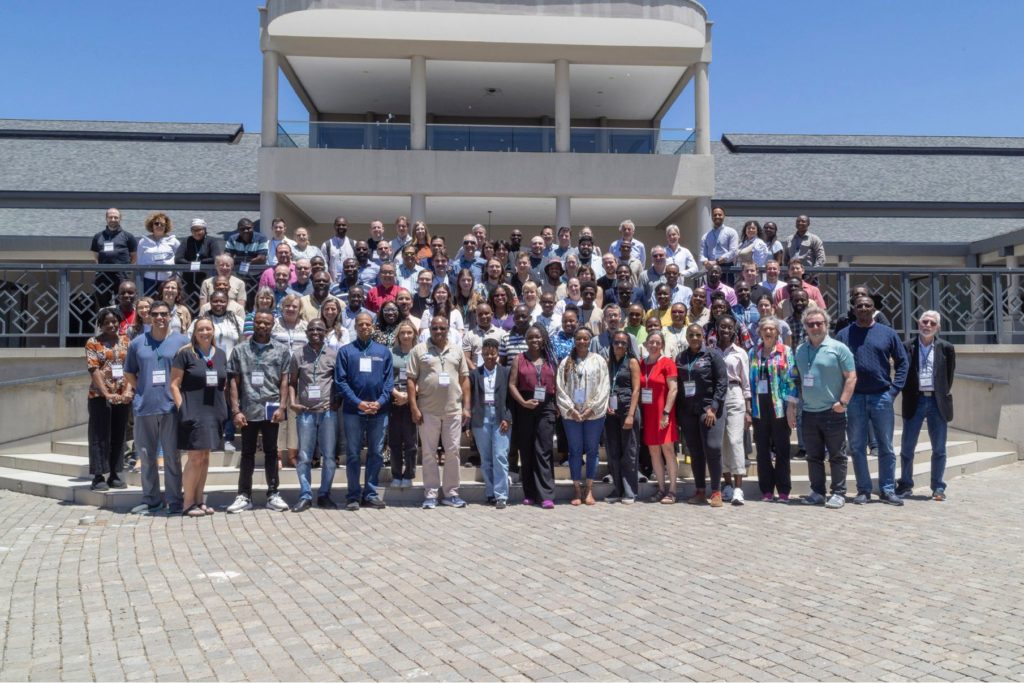
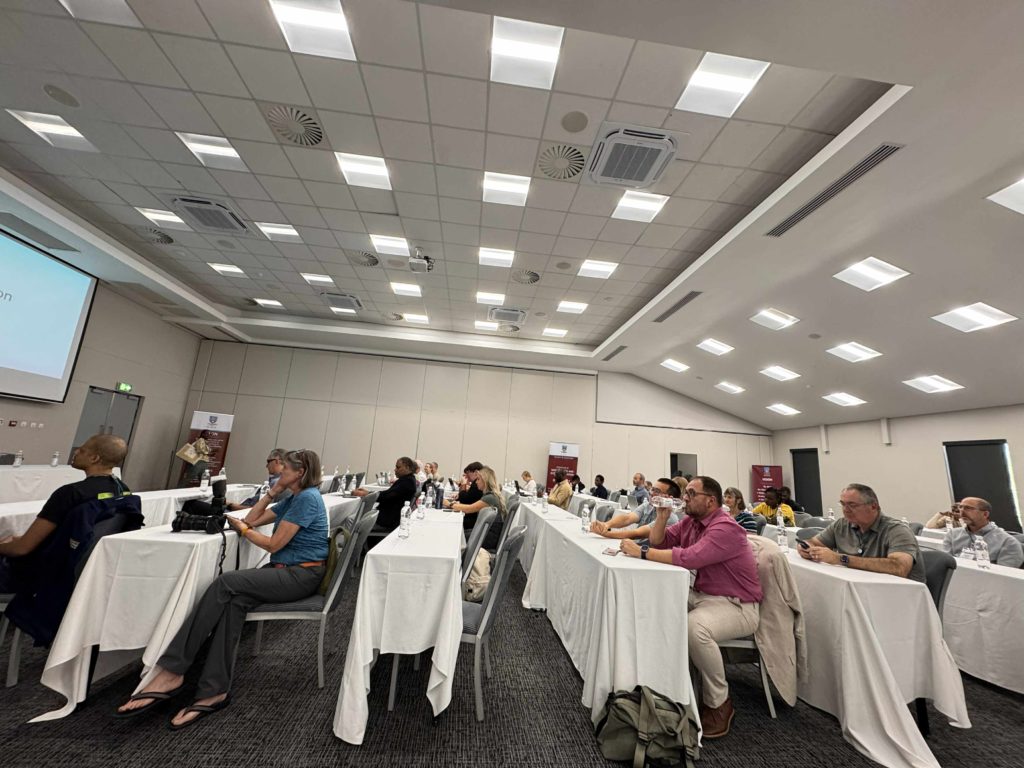
MATSUE, JAPAN – Researchers from the Ateneo Laboratory for the Learning Sciences (ALLS) attended the 31st International Conference on Computers in Education (ICCE) 2023 from December 4 to 8, 2023 in Matsue, Shimane Prefecture, Japan. The ICCE 2023 is a flagship conference series of the Asia-Pacific Society for Computers in Education (APSCE), and the theme was “designing new technologies for education in a big social change world.” ICCE 2023 was conducted fully on-site, after a few years of being conducted online in 2020-2021 and hybrid in 2022.

In photo: Representatives from ALLS at the entrance of Kunibiki Messe

Pre-conference workshops were held from December 4 to 5, 2023. Said workshops covered themes such as innovative technologies in education, ICT trends and learning analytics. The papers authored by ALLS researchers presented during the workshops were the following:

  1. The 11th Workshop on Technology-Enhanced STEM Education

AquaFarm Ace: A Game on the Intensive Aquaculture Process of Oreochromis niloticus by Gerick Jeremiah Niño Go and Angela Nicole Yap

AquaFarm Ace is a 2D Time-Management simulation game on the intensive aquaculture process. The player takes the role of an aquaculturist as they go through the various stages of aquaculture. The game showcases hatchery, transportation, grow-out, and brood stock stages in the aquaculture stages of Oreochromis noliticus. This study aims to contribute to the scholarly community of aquaculture and serious game design with its results showing that AquaFarm Ace contributes to raising awareness of aquaculture and can play a key role in highlighting its increasing demand in the aquatic scene in the Philippines to alleviate the socioeconomic problems such as food and job security.

  1. The 12th International Workshop on ICT Trends in Emerging Economies (WICTTEE 2023) 

Factors Affecting Sustainable Use of Minecraft-based Lessons Dominique Marie Antoinette B. Manahan and Maria Mercedes T. Rodrigo

The study examined the factors that affect the sustainable use of Minecraft-based lesson plans. The teachers cited logistical impediments, scheduling impediments, lack of technical resources, lack of curricular alignment, changes to teaching modalities, limited time for practice, and anxieties about classroom management as barriers to sustainable use of WHIMC.

In photo: Delegates from the Ateneo de Manila University attend the welcome reception at Hotel Ichibata

Main Conference

ALLS presented a variety of studies during the main conference which was held from December 6 to 8, 2023. Joseph Benjamin Ilagan, Jose Ramon Ilagan, and Maria Mercedes T. Rodrigo (or Dr. Rodrigo) presented a paper entitled An agent-based modeling and simulation tool as a learning aid for diffusion of innovations. The study explores the use of agent-based model simulations and a conversational intelligent tutoring system front-end to teach the concept of diffusion of innovations to technology entrepreneurship students. A related study by the same authors featuring a chatbot prototype for evaluating student tech startup ideas using a large language model was accepted under the workshop on The Applications of Generative Artificial Intelligence (GAI) in Education. This study is part of a larger study on the use of conversational tutors and computer simulations, which was also presented as part of the conference’s doctoral student consortium (DSC), a venue where PhD students can seek valuable feedback from experts in domains involving computer use in education. Clarence James Monterozo and Dr. Rodrigo presented the study entitled Do the Same Rules Apply? Transferring MOOC Success Behaviors to University Online Learning. The study replicated the methods and findings of a study on the behaviors of successful completers of massive open online courses (MOOCs) to university online learning students. Specifically, it studied discussion forum behaviors commonly associated with completion in MOOCs. In the work Preparation for Future Lockdowns: A Comparison of Student LMS Activity During and After COVID-19 by Ezekiel Adriel Lagmay and Dr. Rodrigo discussed how student activity on Canvas changed when onsite classes resumed. Dr. Rodrigo, Jonathan Casano, and Mikael Fuentes presented a poster entitled Relationship between Students’ Minecraft Re-engagement Metrics and STEM Interest. This was a continuation of the series of studies that ALLS has been undertaking regarding Minecraft’s capacity to stimulate student interest in science and engineering. The poster found no relationship between indicators of re-engagement with Minecraft and with results of a STEM interest questionnaire. Finally, Dr. Rodrigo and Christine Lourrine Tablatin presented one short paper entitled Visual Attention Patterns in Processing Compiler Error Messages. This was, again, the continuation of a larger study on novice programmer attention patterns, as measured using eye tracking. The study found that high- and low-performing students exerted similar visual attention to compiler error messages but the former tended to spend more effort than the latter on the actual line with the error.

In photo: Dr. Maria Mercedes T. Rodrigo given her speech as the incoming APSCE president and as the ICCE 2024 conference chair

There were hundreds of other studies presented by various researchers and educators from 26 countries during the conference, which had the themes of artificial intelligence, computer-supported collaborative learning, gamification and technology enhanced language learning, among others. 

The ALLS team not only shared their research but also immersed themselves in a symphony of global perspectives. This gathering wasn’t merely an exchange of ideas; it was a harmonious convergence of minds, fostering connections that transcended borders. Amidst this scholarly event, the team found not only answers but also new questions, kindling a flame of inspiration to explore uncharted realms in education. The conference wasn’t just a venue; it was a crucible of wisdom, igniting a passion to innovate and illuminate the path forward for education on a global scale.

The conference ended with the introduction of Dr. Rodrigo as the incoming APSCE President, and the invitation to ICCE 2024 which will be held in Manila, Philippines.

For more information about the ICCE 2023, visit https://eds.let.media.kyoto-u.ac.jp/ICCE2023/

Posted in News & Events | Leave a comment

ALLS gives a Minecraft Education – WHIMC workshop at the Ayala Foundation x ProFuturo Project conference

On December 4, 2023, the Ateneo Laboratory for the Learning Sciences (ALLS) was a guest speaker and workshop facilitator for Ayala Foundation × ProFuturo Project conference entitled “Learning Beyond Borders: The Power of E-ducation” to share our work of using the What-if Hypothetical Implementations in Minecraft (WHIMC) in classrooms!

ALLS’ partner teacher Ms. Louise Tulayba facilitates the WHIMC Education workshop

Public school teachers from the MIMAROPA region were able to attend the talk and workshop, where they were introduced to Minecraft and its possible integration to STEM learning using WHIMC.

A teacher participant tries exploring a WHIMC world using a tablet

Teacher participants try out WHIMC Education with the help of ALLS student assistants (on the right)

As part of the workshop, the teacher participants were given the opportunity to explore the WHIMC worlds through Minecraft Education where they explored a Rocket Launch Facility, Earth with a Colder Sun and Earth with Two Moons simulations. Then, they were given the space to share their ideas on how they can use WHIMC in their own contexts, factors that would hinder the implementation of a Minecraft-based lesson and solutions proposed to overcome said hindrances.

We thank Ms. Louise Tulayba for representing ALLS, our student assistants and the Ayala Foundation for this opportunity to share about our project!

Photo credits: Ayala Foundation

Posted in News & Events | Leave a comment