Ateneo Joins AI Horizons PH Held in the University of the Philippines (UP) Cebu Campus

By Almira Princess Redoble (5 BS Computer Science – Digital Game Design and Development)

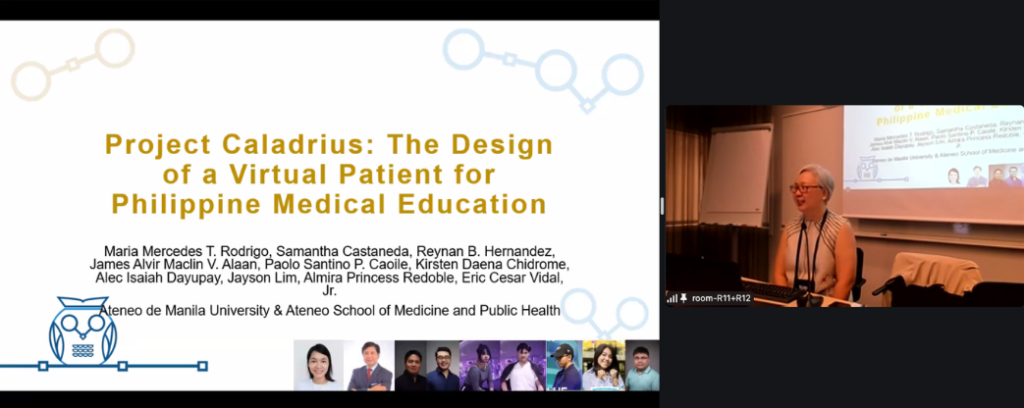
CEBU CITY, PHILIPPINES — A collaborative paper between the Ateneo School of Medicine and Public Health (ASMPH) and the Ateneo Laboratory for the Learning Sciences (ALLS) was featured in the recently concluded AI Horizons PH 2025 at UP Cebu this October 16-17, 2025. Entitled “The Development and Testing of a Virtual Patient for Philippine Medical Education,” the study was presented by Almira Princess Redoble, a student assistant at ALLS taking BS Computer Science – Digital Game Design and Development, in front of policymakers, industry professionals, and leaders from the academia on the second day of the two-day conference. The four critical sectors of cybersecurity and national security, business process outsourcing and creative industries, disaster risk reduction, and social good and inclusive growth were explored and represented through 20 technical presentations and real-world case studies. The conference also allowed for a glimpse at international AI policymaking; representatives from the Asian Development Bank and the Korea Legislation Research Institute discussed trends in AI, Governance, and Development across Asia and Korea’s approach to an AI Legal Framework, respectively.

For more information on the conference, please go to https://ai-horizons.up.edu.ph/home/.

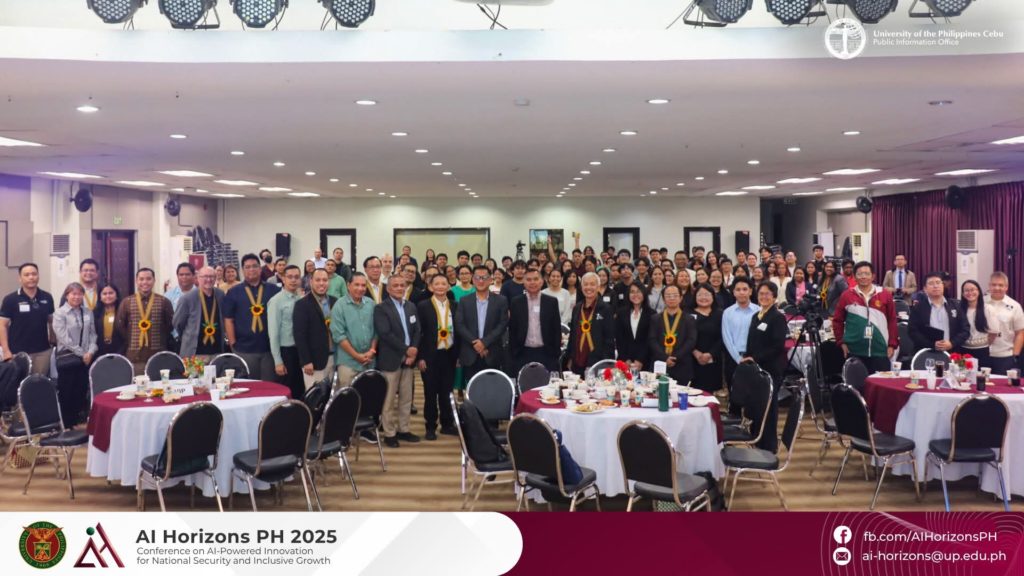
The first day of AI Horizons PH 2025, with the speakers in the front row.

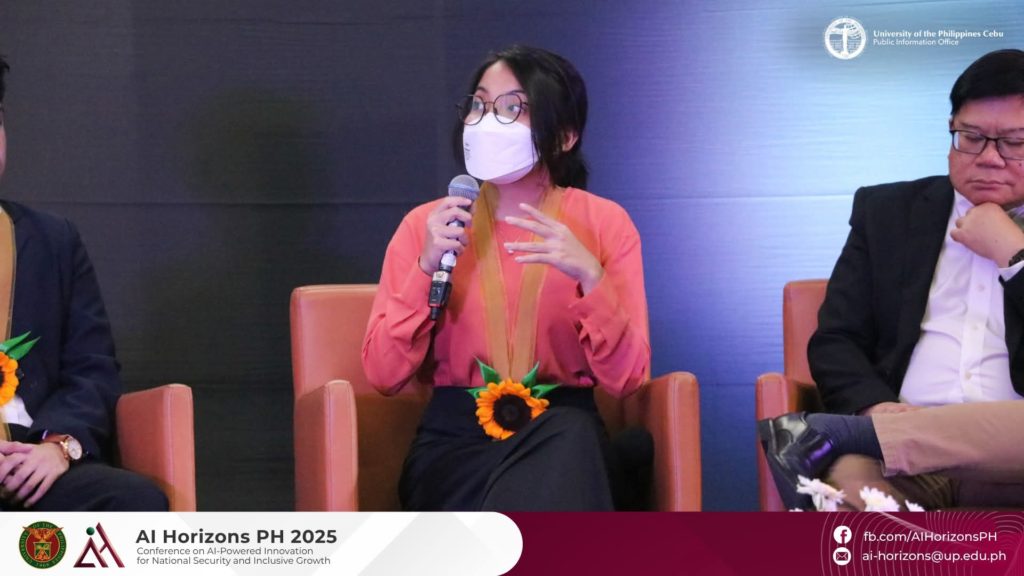
Ms. Almira Redoble (center, in orange) during the panel Q&A session.

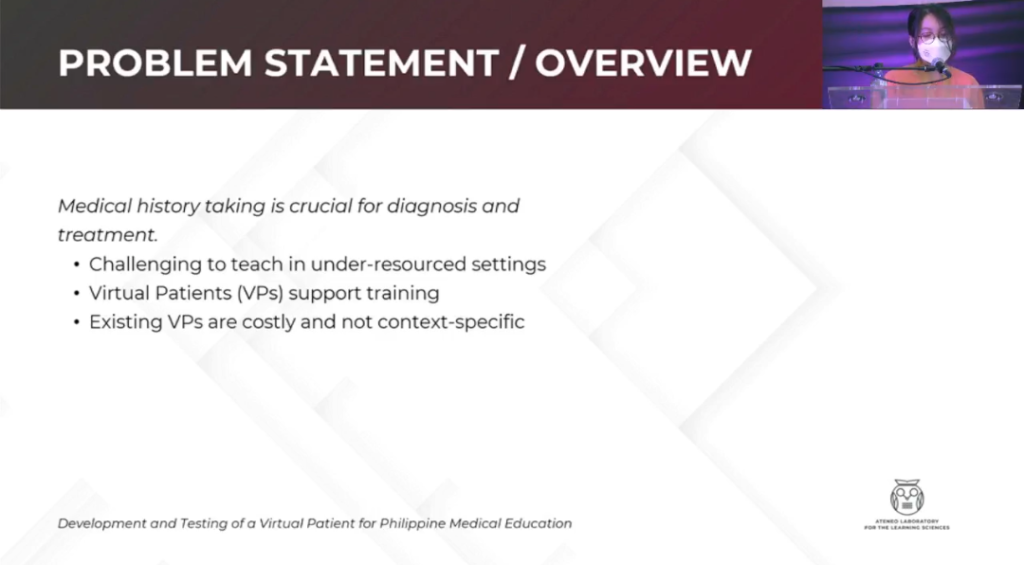
(Screenshot taken from the livestream) Ms. Almira Redoble discusses the background behind the collaborative research.

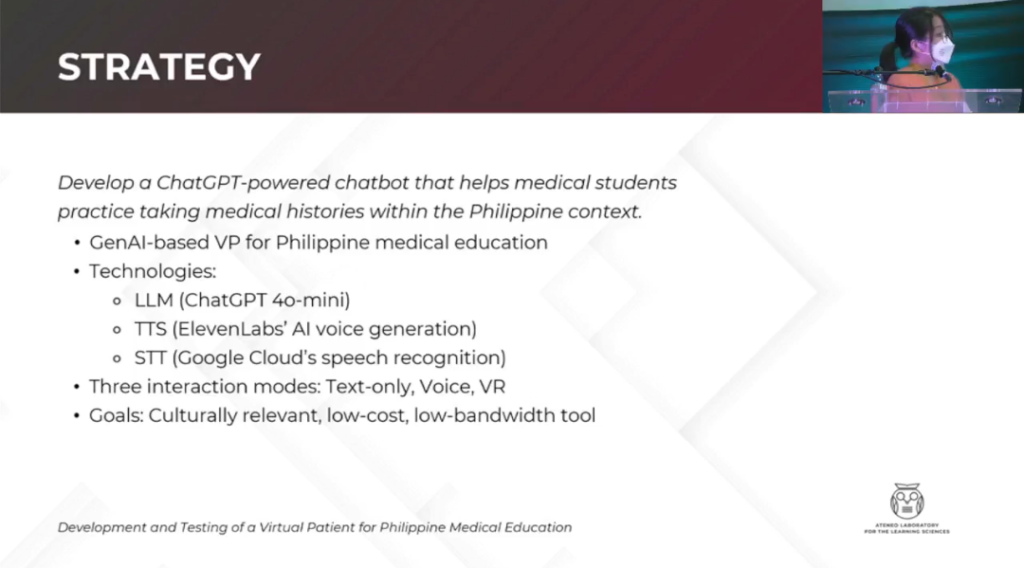
(Screenshot taken from the livestream) Ms. Almira Redoble presents the strategy taken for the development of the virtual patient.

Posted in News & Events | Leave a comment

Ateneo Joins the 27th International Conference in Human-Computer Interaction (HCII 2025) held in Gothenburg, Sweden.

Research papers from Ateneo de Manila University were among the contributions to the recently concluded 27th International Conference on Human-Computer Interaction (HCII 2025), held in a hybrid format from June 22 to 27, 2025, in Gothenburg, Sweden.

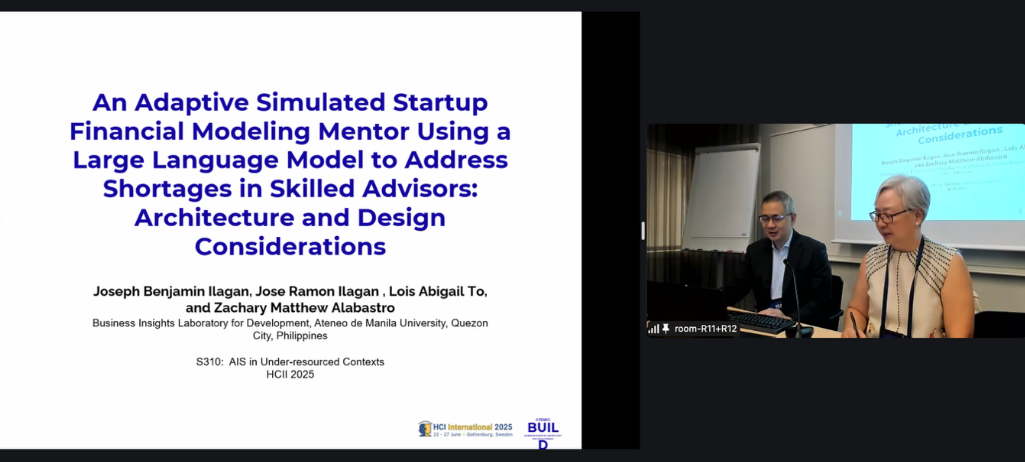
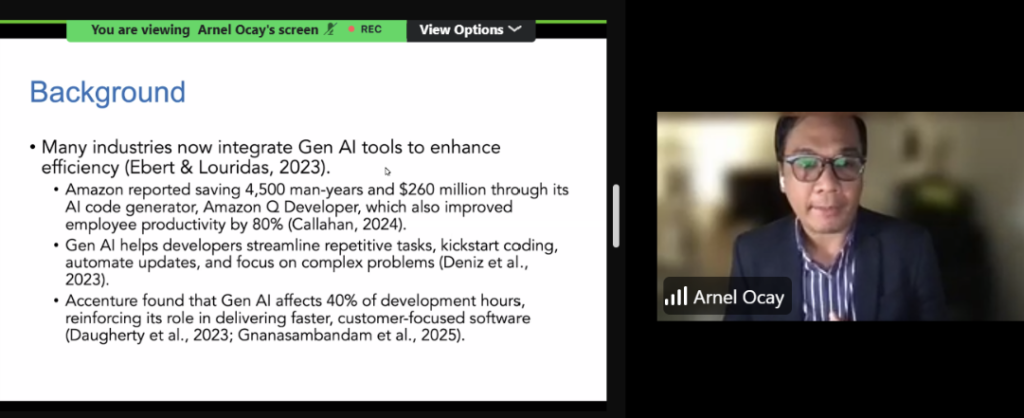
During the session titled AI Systems in Under-resourced Contexts, Director Joseph Benjamin Ilagan of Ateneo Business Insights Laboratory for Development (BUILD), presented his paper titled An Adaptive Simulated Startup Financial Modeling Mentor Using a Large Language Model to Address Shortages in Skilled Advisors: Architecture and Design Considerations. This work aimed to develop a financial modeling mentor framework using large language models (LLMs) to support entrepreneurship education. During the same session, Dr. Maria Mercedes Rodrigo, Head of Ateneo Laboratory for the Learning Sciences (ALLS), on the other hand, presented their research called Caladrius, a collaborative project with the Ateneo School of Medicine and Public Health, that aimed to design a virtual patient for Philippine medical education using ChatGPT. In the Applications of Augmented Cognition session, Dr. Arnel Ocay presented his postdoctoral research titled A Field Study on the Use of Gen AI to Support Computing Education, conducted with Dr. Rodrigo’s mentorship. This study explores the potential use of Gen AI tools to support computing education in the Philippine context.

The Human-Computer Interaction International (HCII 2025), now in its 27th year, serves as a convening platform for academics, professionals in the discipline, and researchers to share research endeavors that promote technological advancements in the field of human-computer interaction. HCII 2025 brought together scholars in the field to discuss diverse thematic areas and joined together in sub-conferences to promote advancements in HCI practices and innovations.

To read more about the HCII 2025 complete program, please access the official website of the conference at https://2025.hci.international/index.html.

Joseph Benjamin Ilagan, presents insights from his paper during the session on “AIS in Under-resourced Contexts” at HCII 2025. The session was chaired by Dr. Maria Mercedes Rodrigo.

Dr. Maria Mercedes Rodrigo followed with a presentation on a collaborative project focusing on the development of a virtual patient system. In the photo, Dr. Rodrigo responds to questions from the audience following her talk.

Dr. Arnel Ocay presents his postdoctoral research on the use of generative AI in computing education during a virtual session titled Applications of Augmented Cognition. His presentation highlights the recent findings on the influence of Gen AI tools in industry and computing education. The session was chaired by Martha Crosby.

Posted in News & Events | Leave a comment

Ateneo Joins UNESCO UNITWIN Chair on AI in Education Unplugged 

Ateneo de Manila University has joined the UNESCO UNITWIN Chair “Artificial Intelligence in Education Unplugged,” hosted by the Federal University of Alagoas (UFAL) and the University of São Paulo (USP). This initiative promotes inclusive, equitable, and human-centered AI applications in education, particularly in underserved regions. The initiative aims to foster global collaboration by connecting policymakers, educators, and experts through South-South and North-South-South cooperation. It develops instructional resources for underserved communities, advances research to address the AI in Education divide, and advocates for inclusive AI policies. Additionally, it builds a global community of practice dedicated to equitable and sustainable educational innovation.

Representing Ateneo in this international collaboration is Dr. Maria Mercedes T. Rodrigo, a professor in the Department of Information Systems and Computer Science. She also leads the Ateneo Laboratory for the Learning Sciences. Dr. Rodrigo’s research focuses on educational technology, learning analytics, and affective computing, with a strong emphasis on equity and access.

For more information on the initiative, visit the official website: https://unesco.nees.ufal.br/.

 This article was written by Maria Mercedes T. Rodrigo with the assistance of ChatGPT. Final review and revisions were done by the author.

Posted in News & Events | Leave a comment

Workshop on the Ateneo Virtual Reality Escape (AVRE) Framework held in PCSC 2025

By Kenneth King Ko and Dominique Manahan

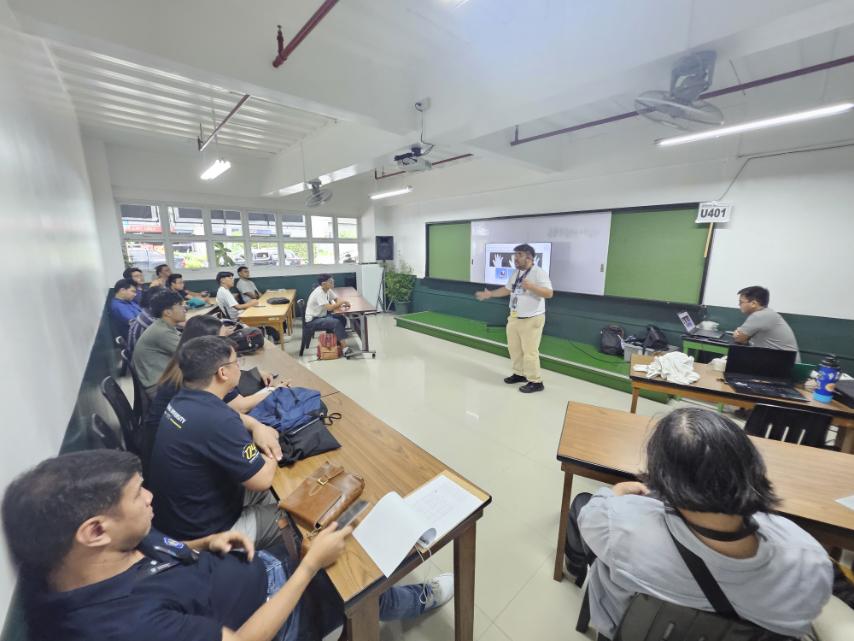
BAGUIO CITY, PHILIPPINES – On May 8, 2025, the Ateneo Laboratory for the Learning Sciences (ALLS) through the VAMR project team representatives led by Dr. Didith Rodrigo, Dr. Eric Vidal, Kenneth Ko, and Alvaro Pato went to the University of the Cordilleras, Baguio City to conduct a workshop on the AVRE Framework in conjunction with the PCSC 2025. The title of the workshop was “CREATING VR ESCAPE ROOM GAMES USING THE ATENEO VIRTUAL REALITY ESCAPE (AVRE) FRAMEWORK, which had the goal of showcasing the game engine that enables developers to create virtual reality applications, and design VR experiences that aim for an escape-room approach. There were a total of 15 participants.

Dr. Eric Vidal (middle) welcomes the workshop participants.

The workshop included discussion of the history and involvement of ALLS in many undergraduate and graduate studies in Ateneo, focusing on learning from varying methodologies such as games, as well as its endeavors in collaborating with departments in other fields, such as in health. Afterwards, discussion on the technology track record of the laboratory, followed by the frameworks for virtual, augmented, and mixed reality implemented by ALLS took place, including its applied uses. One notable example was the Igpaw series of games, which made use of the Mobile Augmented-Reality Games for Instructional Support (MAGIS) framework, a precursor to the currently being developed Ateneo Virtual Reality Escape (AVRE) framework.

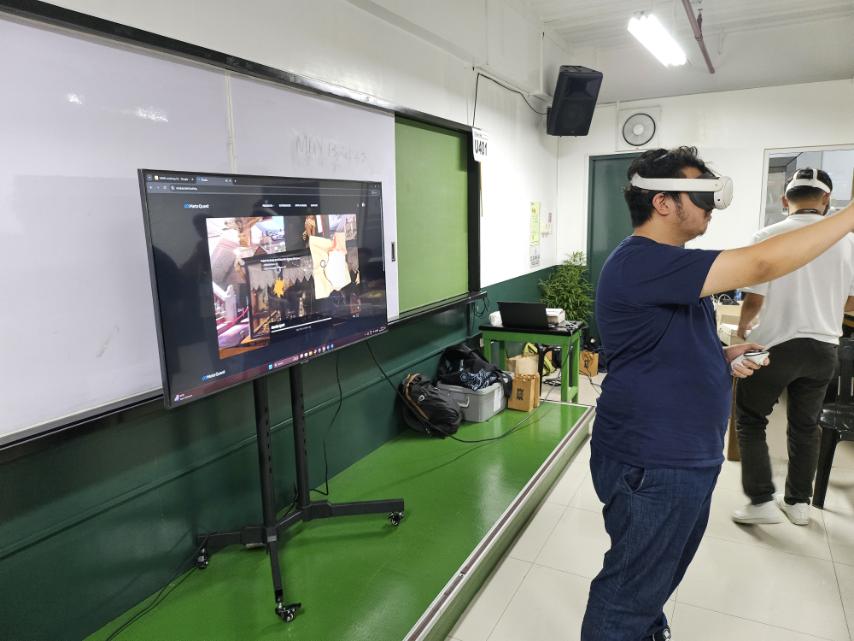
The AVRE Framework was discussed in relation to its subsystems, particularly the inventory system, the object interaction system, the event authoring system and the teleportation system. Each system was discussed by the lead developers and its use and implementation was demonstrated to the workshop participants. Finally, the games making use of the AVRE framework were showcased to the participants, namely the Heritage Hero: The Villa Escudero VR Game, as well as the work-in-progress build of Heritage Hero: The Secrets of the “Golden Era”. Some workshop participants also managed to test out the games for themselves.

One of the workshop participants volunteered to try out the VR game developed using the AVRE Framework.

During the playtesting session, participants were offered to raise any questions they had. Questions from the participants included the functionalities of the framework, such as whether or not they were optional (e.g., is the teleportation system required), optimizations needed to be taken for different platforms such as mobile and PC (e.g., triangle count reduction, texture compression, mesh decimation), as well as general workflow discussions with regard to game development, all of which were answered by the team.

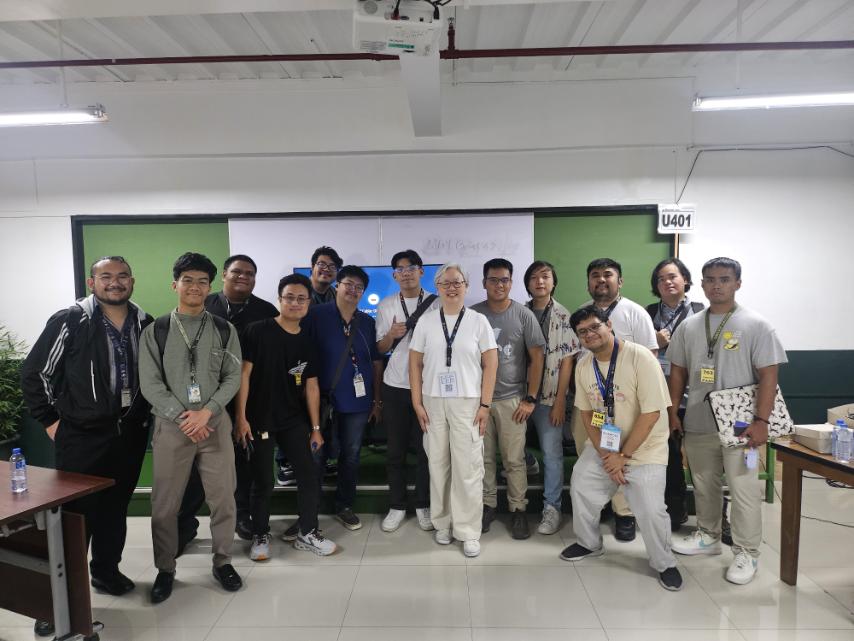
A group photo of the VAMR team along with all the participants of the workshop.

After the question and answer portion, the participants were invited to participate in the upcoming AVRE Framework workshop, which was set to be held in June 2025, after which the workshop concluded.

For announcements of future workshops, please follow the Facebook page of ALLS: https://www.facebook.com/ALLS.ADMU

Posted in News & Events, VAMR | Leave a comment

VAMR Laboratory’s EDSA@39 Commemoration talk on The Game Design Process of a Virtual Reality Game

by Dominique Manahan

QUEZON CITY, PHILIPPINES – Ateneo de Manila University’s (ADMU) Ateneo Laboratory for the Learning Sciences (ALLS) and Virtual, Augmented, and Mixed Reality (VAMR) Laboratory, participated in Ateneo de Manila University’s EDSA@39 Commemoration last March 31, 2025 held in collaboration with the Ateneo Martial Law Museum and Library (AMLML) at Faura Hall, Ateneo de Manila University.

As part of a DOST-PCIEERD-funded research, the ALLS and VAMR Laboratory partnered with AMLML to develop an escape-room style, VR game intended primarily to showcase the capabilities of the VAMR Laboratory’s Ateneo Virtual Reality Escape (AVRE) framework, while producing tertiary-level educational content. During the EDSA@39 Commemoration, the teams wanted to showcase the game design process of said VR game, whose game’s content focused on activities, icons and events during the Martial Law era in the Philippines.

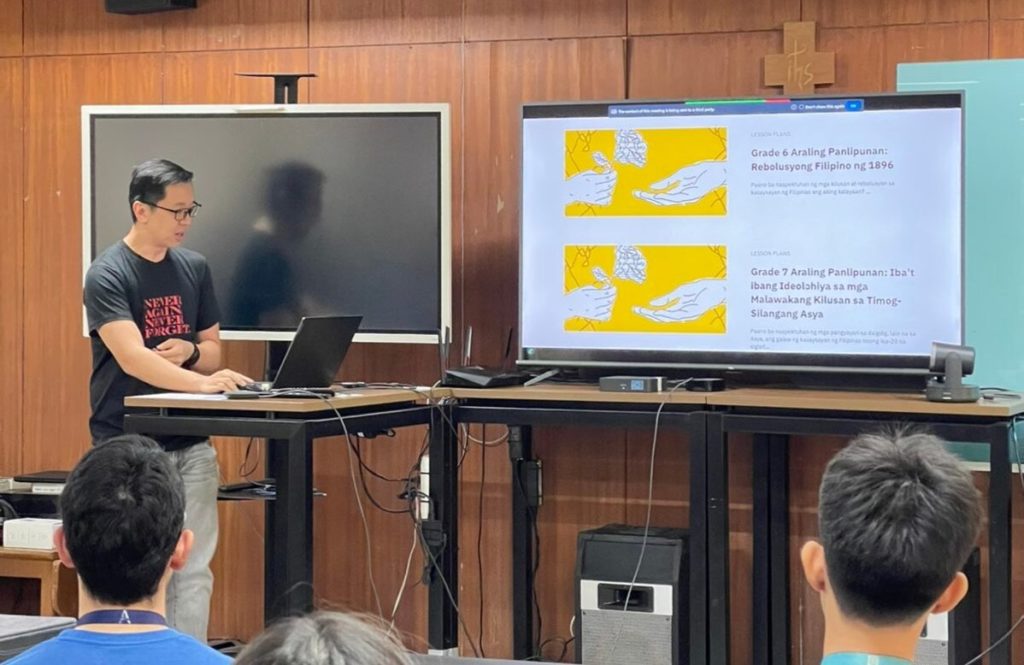
After welcome remarks from Dr. Didith Rodrigo, ALLS Head and VAMR co-head, Mr. Galvin Ngo, one of the AMLML fellows, began the talk by briefly discussing the history of the museum and its three pillars, which are Mag-aral (study), Magturo (teach), at Manindigan (stand firm). He emphasized the discussion on the second pillar, magturo, noting that the AMLML intends to “encourage ongoing discourse, dialogue, and reflection as part of the nation’s consciousness.” Thus, he cited various examples in which they are doing that through making teacher guides, lesson plans and virtual games, available through the Ateneo Martial Law Museum and Library website. He then passed the presentation floor to Dr. Eric Vidal, VAMR co-lead, who spoke about the partnership’s goals under the DOST-PCIEERD grant, the VAMR technology and sample works so far.

Mr. Galvin Ngo (left, in black) shows the sample lesson plans available in the AMLML website.

After the AMLML and VAMR Laboratory introductory talks, Mr. Alvaro Pato led the presentation of the game design process both teams went through for the VR game entitled, “Heritage Hero: The Secrets of the “Golden Era.” He began by providing a quick overview of the project, and stated the project requirements, which are the following: (1) The game must make full use of the Ateneo Virtual Reality Escape (AVRE) Framework, (2) The game would be short, being only an hour long, and (3) The game should be open ended. The player will decide whether or not Martial Law was a Golden Age.

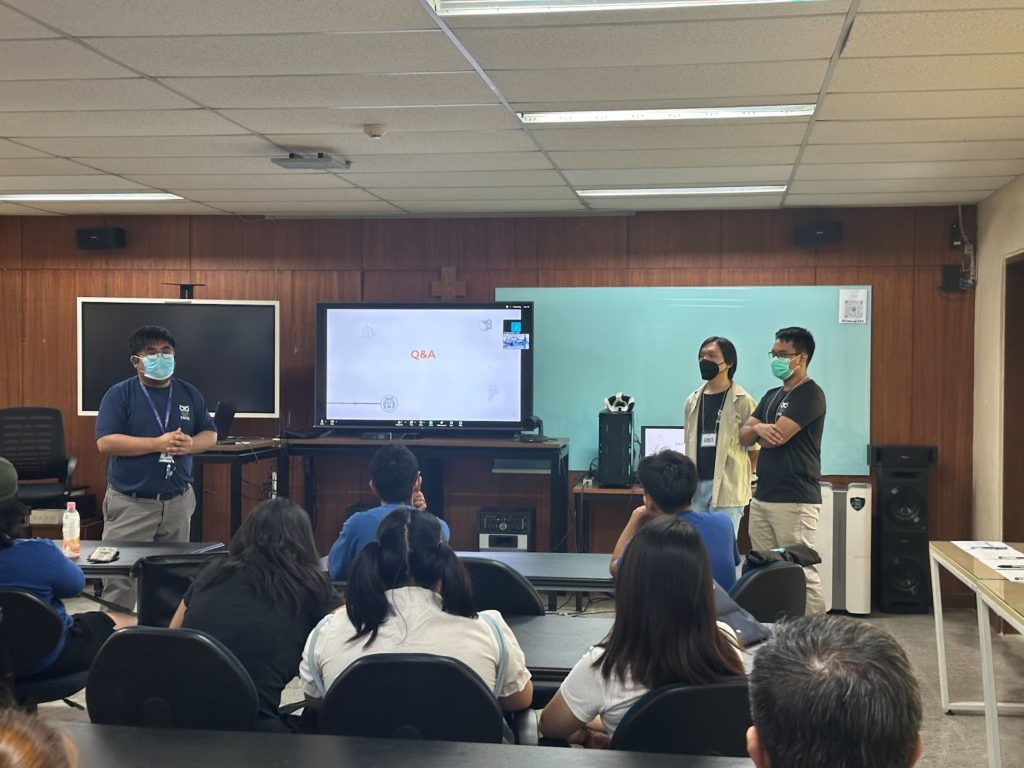
Dr. Eric Vidal (left, standing) facilitates the question and answer portion. In support are the VAMR developers, Kenneth Ko (right, in beige) and Alvaro Pato (right-most, in black)

Alvaro shared how the process started with conceptualization, where the AMLML team proposed eight (8) topics which they deemed important for the students to know about the Martial Law era. Given the project requirements, there was a negotiation between the VAMR and AMLML teams on which topics to prioritize and the tasks which can be done by the player, in relation to the learning outcome intended and AVRE Framework capabilities. Then, he discussed the final game design that came about after a series of brainstorming sessions with AMLML.

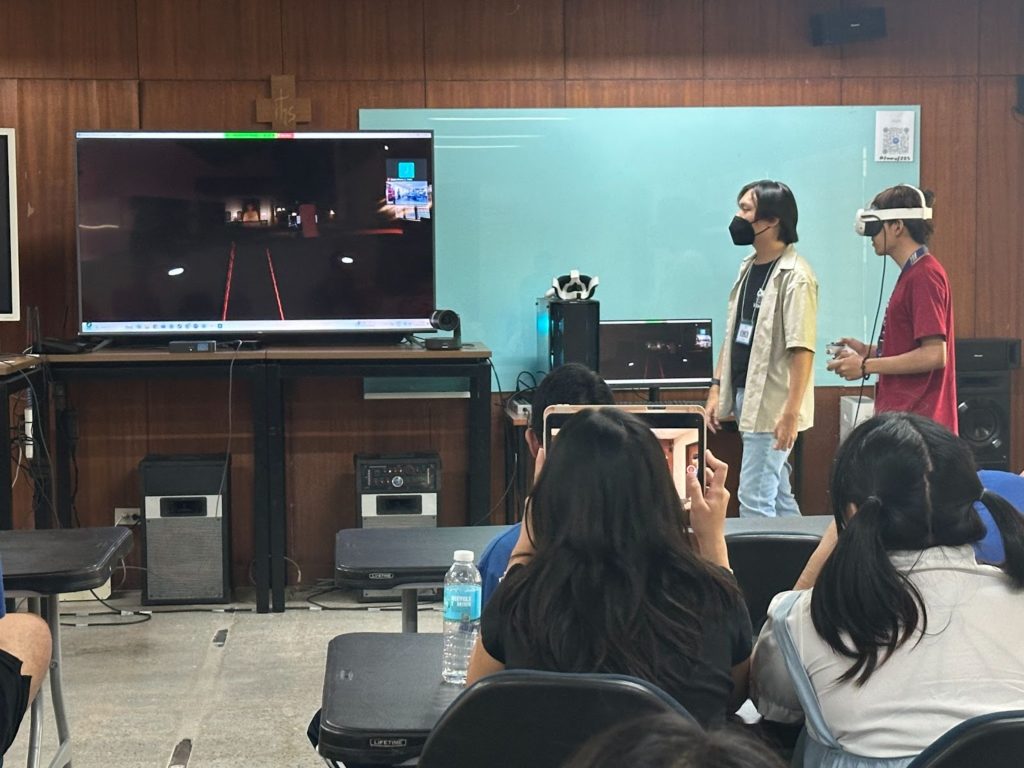
One of the participants (right-most, in red) tries walking through the VR game.

After the short presentation of Alvaro, Mr. Kenneth Ko showed a walkthrough of the actual game setting (i.e. inside the abandoned mansion) by streaming his view as he used an actual VR headset. A few participants were able to try it out, where some did so for the first time. Mr. Oliver Quintana closed the session by appreciating the participation of everyone.

The VR game is currently being developed, with its first campus user testing to be scheduled by May 2025.

Posted in News & Events, VAMR | Leave a comment